Insights & Knowledge

Volumetric Modular Construction Blog

Discover latest news, architectural innovations, and expert perspectives on modular steel-frame construction across Europe.

Blog

What Is Modular Staff Accommodation and How Does It Work?

What Is Modular Staff Accommodation and How Does It Work?

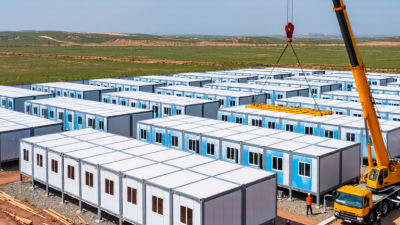
Modular Staff Accommodation is changing how companies house workers near demanding projects. Instead of constructing every room on site, manufacturers build repeatable modules in a controlled factory. These units may include bedrooms, bathrooms, wiring, insulation, ventilation, and basic furniture. Trucks then deliver them to the destination, where crews connect services and complete the installation. Roger Krulak, founder of FullStack Modular and an experienced modular construction specialist, describes the principle clearly: “Modular construction is a process, not a product.” His observation matters. Modular Staff Accommodation is not merely a row of portable cabins. It is a coordinated system involving design, manufacturing, transport, foundations, utilities, safety, maintenance, and eventual relocation. The process usually begins with an accommodation brief. It identifies occupancy numbers, room sizes, washing facilities, dining areas, storage, climate conditions, and project duration. Designers then prepare a repeatable layout. Factory teams assemble the modules while ground contractors prepare foundations and drainage. On delivery day, cranes position each unit carefully. Electricians and plumbers connect the building to approved services. The results can be impressive. Cleaner production areas. Faster installation. More predictable quality. However, modular housing is not automatically better. Transport restrictions can influence room dimensions. Poor site access may create costly delays. A rushed design can produce cramped corridors, weak storage, or uncomfortable shared spaces. These practical weaknesses deserve honest attention. This guide explains what Modular Staff Accommodation means, how it works, and where it performs best. It also examines the decisions that can quietly determine comfort, reliability, and long-term value.
Read more »
Elowen By:Elowen - October 18, 2026
How to Choose Social Housing Prefabrication Suppliers?

How to Choose Social Housing Prefabrication Suppliers?

Choosing the right supplier for Social Housing Prefabrication requires more than comparing factory prices. The decision affects residents, public budgets, construction schedules, and long-term maintenance. A capable supplier should demonstrate practical experience with apartments, community housing, or similar high-volume projects. Details matter. Review completed projects, not only digital renderings. Ask for photographs of installed kitchens, bathrooms, corridors, and service connections. Request client references and speak with project managers about delays, defects, communication, and aftercare. Experience shows this. Technical competence is equally important. Evaluate the supplier’s design process, structural calculations, fire-safety documentation, insulation performance, accessibility features, and quality-control procedures. Confirm that proposed systems can meet local planning rules, building standards, energy requirements, and inspection procedures. Independent testing and clear certification records provide stronger evidence than unsupported claims. Price still matters, but the lowest quotation may not represent the lowest cost. Transport distance, foundation requirements, crane access, utility connections, replacement parts, and future repairs can change the final budget. Ask for a detailed cost schedule with exclusions stated clearly. That assumption fails. Visit the factory if possible. Observe material storage, moisture protection, worker training, inspection points, and production consistency. A supplier should explain how it handles design changes, damaged components, complaints, and warranty claims. No supplier is perfect, and honest answers are often more valuable than confident promises. The strongest choice balances affordability, proven delivery, transparent evidence, and resident-focused design. This guide examines the questions that help housing providers make a safer, more informed decision.
Read more »
Elowen By:Elowen - October 13, 2026
How to Source Modular Affordable Housing Worldwide?

How to Source Modular Affordable Housing Worldwide?

Sourcing Modular Affordable Housing worldwide requires more than comparing factory prices. It demands careful research into climate, transport, local skills, financing, and community needs. A compact unit built in Poland may not suit a humid coastal village in Indonesia. Materials, insulation, foundations, and shipping distances can change the final cost significantly. Ryan E. Smith, professor and author of Offsite Architecture, describes the central challenge clearly: “Industrialized construction is not a technology; it is a process.” That process begins with reliable suppliers and transparent specifications. It continues through factory inspections, prototype testing, delivery planning, and on-site assembly. Buyers should request evidence of production capacity, quality controls, warranty terms, and previous projects. Photographs are useful. Independent verification is better. Affordability is not simply a low purchase price. It includes maintenance, energy use, replacement parts, and local repair access. A cheaper module can become expensive when spare components travel across oceans. This is often overlooked. Regional manufacturing partnerships may reduce delays and strengthen local employment, but they can also create inconsistent quality without proper training. Modular Affordable Housing succeeds when design flexibility meets disciplined procurement. The approach is promising, yet imperfect. Some projects fail because communities are consulted too late, or because standard modules ignore daily life. A responsible sourcing strategy must measure more than speed. It should ask who benefits, who maintains the homes, and whether the solution remains practical ten years later.
Read more »
Amelia By:Amelia - October 8, 2026
How to Choose Senior Modular Living Facilities Worldwide?

How to Choose Senior Modular Living Facilities Worldwide?

Choosing Senior Modular Living Facilities worldwide requires more than comparing floor plans, prices, or attractive photographs. It requires careful attention to daily life. Can residents reach a garden without climbing stairs? Does the bathroom provide grab rails, strong lighting, and enough turning space? Can staff respond quickly when a resident falls? These details often reveal quality more clearly than promotional language. Dr. Bill Thomas, a geriatrician and senior-living innovator, has said, “The future of aging is not about finding ways to keep people young. It’s about creating environments that support people as they age.” His view offers a useful foundation for evaluating modular communities. Flexible layouts, accessible entrances, quiet sleeping areas, shared kitchens, and safe outdoor paths should support independence without creating isolation. Reliable facilities also need trained caregivers, preventive maintenance, emergency planning, and transparent service costs. A worldwide comparison must consider climate, local construction standards, healthcare access, transport, language, and cultural expectations. A warm coastal design may fail in a cold mountain region. A compact unit may feel efficient, yet become uncomfortable when storage is limited. No checklist is perfect. Residents and families should visit facilities, speak with current occupants, inspect finished details, and ask difficult questions about staffing and repairs. The right choice is not always the newest community. It is the place that combines safety, dignity, comfort, and dependable support with the resident’s real habits and preferences.
Read more »
Elowen By:Elowen - October 3, 2026
How to Choose Modular Care Homes for Your Project?

How to Choose Modular Care Homes for Your Project?

Choosing Modular Care Homes is not simply a matter of selecting a floor plan and counting beds. Each project must fit its residents, care model, site, and long-term operating needs. A quiet bedroom, clear sightlines, accessible bathrooms, and safe spaces for staff can shape daily life as much as the overall layout. Small details matter. A useful assessment begins with the people who will use the building. Care teams can explain how residents move between bedrooms, dining areas, and shared rooms. Operators can identify staffing needs, storage demands, and likely changes in care over time. Architects and manufacturers can then discuss room layouts, construction methods, delivery access, and options for future expansion. Requirements vary by location, so project teams should confirm applicable standards with qualified local professionals. A neat drawing can still hide a poor workflow. And a fast installation is not automatically a good fit. Compare proposals by looking beyond price: review specifications, finishes, accessibility, maintenance plans, and the manufacturer’s relevant project experience. Ask how changes are handled and what support is available after handover. Some assumptions may need revisiting once staff test the layout against real routines. This guide explores the practical questions that help teams choose Modular Care Homes with clearer expectations and a stronger basis for decision-making.
Read more »
Amelia By:Amelia - September 28, 2026
How to Build Modular Housing for Build to Rent?

How to Build Modular Housing for Build to Rent?

Build to Rent Modular Housing is changing how developers approach large-scale rental communities. Factory-built modules can shorten construction schedules, improve quality control, and reduce disruption around busy urban sites. Yet speed alone does not create a successful housing project. Strong results depend on careful design, realistic budgets, and disciplined site coordination. A practical approach begins with the rental strategy. Unit sizes, storage, shared facilities, and maintenance access should reflect how residents actually live. A compact kitchen may look efficient on paper, but poor storage can quickly frustrate tenants. Details matter. Architects, engineers, manufacturers, and property managers must collaborate before production begins. Their decisions should address fire safety, accessibility, acoustic performance, energy use, and local building requirements. Transport routes need equal attention. A module may leave the factory perfectly finished, then face narrow streets, low bridges, or difficult crane access. Early surveys can prevent expensive surprises. Digital coordination and factory inspections also help confirm dimensions, finishes, and service connections. Still, no system is flawless. Weather delays, supplier changes, and imperfect assumptions can affect delivery. A reliable plan includes contingency time and honest communication. This guide explores how to develop Build to Rent Modular Housing from concept to occupation. It considers procurement, planning, manufacturing, installation, tenant experience, and long-term operations. Evidence from construction practice and lessons from completed projects can support better decisions. The aim is not to promote one universal formula. Every site has constraints. Good modular housing responds to them carefully, while remaining adaptable, durable, and financially responsible.
Read more »
Elowen By:Elowen - September 23, 2026
China Top Private Rental Sector Modular Buildings?

China Top Private Rental Sector Modular Buildings?

China’s private rental market is expanding in major cities, where housing demand often exceeds affordable supply. Private Rental Sector Modular Buildings offer a practical response to this pressure. Factory-made modules can reduce construction disruption, improve quality control, and shorten delivery schedules. They may also support rental projects near transport hubs, universities, and employment centers. But speed is not everything. This introduction examines China’s leading modular building providers for the private rental sector. It considers manufacturing capacity, design flexibility, fire safety, insulation, installation experience, and long-term maintenance. Reliable evaluation requires more than attractive photographs or low quotations. Developers should review completed projects, factory certifications, material records, and after-sales support. A well-designed apartment may still perform poorly if ventilation, acoustic control, or drainage details are overlooked. Small details matter. For example, residents notice corridor noise, winter heating costs, bathroom moisture, and the time required to repair a damaged panel. Professional suppliers should explain these risks clearly. They should also provide transparent schedules and realistic cost assumptions. However, market information can change, and published company claims may not reveal every limitation. Some modular solutions remain less adaptable than conventional construction, especially when local planning requirements differ. The following discussion therefore compares practical strengths rather than declaring one universal winner. It focuses on evidence, project suitability, and resident experience. China’s modular rental sector is promising, but it still needs careful testing, honest reporting, and continuous improvement.
Read more »
Elowen By:Elowen - September 18, 2026
Top 10 Volumetric Modular Hotels for Global Buyers?

Top 10 Volumetric Modular Hotels for Global Buyers?

Volumetric Modular Hotels are moving from niche experiments toward a serious option for international developers, operators, and procurement teams. Factory-built guest rooms can arrive with bathrooms, wiring, finishes, and furniture already installed. This changes the construction site. Instead of stacking materials in rain, teams may connect completed modules beside a prepared foundation. The business case is gaining attention. McKinsey’s 2019 report, “Modular construction: From projects to products,” suggests modular methods can reduce construction schedules by 20–50% and potentially lower costs by up to 20%. The report also warns that these benefits depend on repeatable designs, reliable logistics, and early coordination. That warning matters. A delayed crane, narrow access road, or unsuitable local code can erase factory efficiency quickly. Hotel demand adds further pressure. The World Travel & Tourism Council reported that travel and tourism contributed a record US$11.1 trillion to global GDP in 2024. More rooms are needed, but speed alone is not enough. Guests still notice bathroom seals, corridor acoustics, window performance, and the quietness of a room at 6 a.m. This guide examines ten leading Volumetric Modular Hotels and related projects for global buyers. It considers manufacturing capability, delivery experience, design flexibility, sustainability evidence, certification, and after-sales support. Public data remains uneven. Some suppliers publish impressive claims without comparable project metrics. Buyers should ask harder questions, request verified references, and test assumptions before signing. A modular hotel can be efficient. It can also become an expensive shortcut when planning is weak.
Read more »
Elowen By:Elowen - September 11, 2026
Why Is China Best for PBSA Modular Construction?

Why Is China Best for PBSA Modular Construction?

Why Is China Best for PBSA Modular Construction? The answer begins with an established manufacturing ecosystem, not a single advantage. China has extensive steel, façade, bathroom pod, furniture, and building-services suppliers operating within connected industrial clusters. This proximity can shorten procurement cycles and support more consistent component coordination. For purpose-built student accommodation, factory production offers practical benefits. Rooms can be assembled under controlled conditions, while repeated layouts reduce unnecessary site work. A typical module may leave the factory with bathroom fittings, insulation, flooring, and service connections already installed. This can help developers manage quality checks before delivery. Digital drawings, BIM coordination, and sample-room inspections also make design decisions easier to verify. Still, factory quality is not automatic. It depends on documented procedures, independent inspections, skilled supervision, and accurate communication between designers and manufacturers. China’s transport infrastructure and export experience further support international projects. Large ports, specialist freight providers, and established sourcing teams can coordinate complex shipments. Yet the claim that China is always the best choice needs careful examination. Local fire rules, planning approvals, acoustic standards, seismic requirements, and transport limits may affect the final result. A cheaper factory price can lose its value through redesign, customs delays, or site modifications. Experience suggests that early technical audits and realistic logistics planning matter as much as production capacity. The strongest case for China is therefore balanced. PBSA Modular Construction can offer speed, repeatability, and cost control when the project team manages risks professionally. The method is promising. It is not effortless. Reliable results come from verified suppliers, transparent contracts, detailed inspections, and decisions based on the project’s actual location.
Read more »
Elowen By:Elowen - September 11, 2026
How to Choose Modular Student Accommodation in 2026

How to Choose Modular Student Accommodation in 2026

Choosing Modular Student Accommodation in 2026 requires more than comparing construction speed or attractive room layouts. It requires evidence, practical inspection, and a clear understanding of student demand. Cushman & Wakefield’s Global Student Property 2024 report identifies continued pressure on purpose-built student housing supply across major education markets. UNESCO’s Global Education Monitoring data also shows sustained growth in international student mobility. More students are moving across borders, yet suitable rooms remain limited in many university cities. The strongest choice balances location, build quality, operating performance, and resident wellbeing. Check walking time to campus, public transport access, natural light, ventilation, acoustic insulation, and accessible design. Examine the manufacturer’s quality records and the contractor’s experience with completed modular schemes. A room may look efficient on a drawing. It can feel very different beside a noisy road. Post-occupancy feedback matters. Energy performance matters too. The World Green Building Council links efficient buildings with improved health, comfort, and lower operating costs. Ask for measurable evidence, such as energy-use targets, airtightness testing, and maintenance plans. Consider embodied carbon, replacement cycles, and how modules can be adapted later. Fast delivery is useful, but it is not automatically sustainable. No solution is perfect. Modular projects can face transport limits, planning constraints, or design compromises. Some assumptions may fail. A cheaper building may create higher long-term costs through repairs, overheating, or weak community spaces. This guide explains how to compare those risks in 2026. It uses market research, technical indicators, and practical questions that investors, operators, universities, and students can verify before making a decision.
Read more »
Oliver By:Oliver - September 11, 2026