Discover latest news, architectural innovations, and expert perspectives on modular steel-frame construction across Europe.
Choosing Senior Modular Living Facilities worldwide requires more than comparing floor plans, prices, or attractive photographs. It requires careful attention to daily life. Can residents reach a garden without climbing stairs? Does the bathroom provide grab rails, strong lighting, and enough turning space? Can staff respond quickly when a resident falls? These details often reveal quality more clearly than promotional language.
Dr. Bill Thomas, a geriatrician and senior-living innovator, has said, “The future of aging is not about finding ways to keep people young. It’s about creating environments that support people as they age.” His view offers a useful foundation for evaluating modular communities. Flexible layouts, accessible entrances, quiet sleeping areas, shared kitchens, and safe outdoor paths should support independence without creating isolation. Reliable facilities also need trained caregivers, preventive maintenance, emergency planning, and transparent service costs.
A worldwide comparison must consider climate, local construction standards, healthcare access, transport, language, and cultural expectations. A warm coastal design may fail in a cold mountain region. A compact unit may feel efficient, yet become uncomfortable when storage is limited. No checklist is perfect. Residents and families should visit facilities, speak with current occupants, inspect finished details, and ask difficult questions about staffing and repairs. The right choice is not always the newest community. It is the place that combines safety, dignity, comfort, and dependable support with the resident’s real habits and preferences.
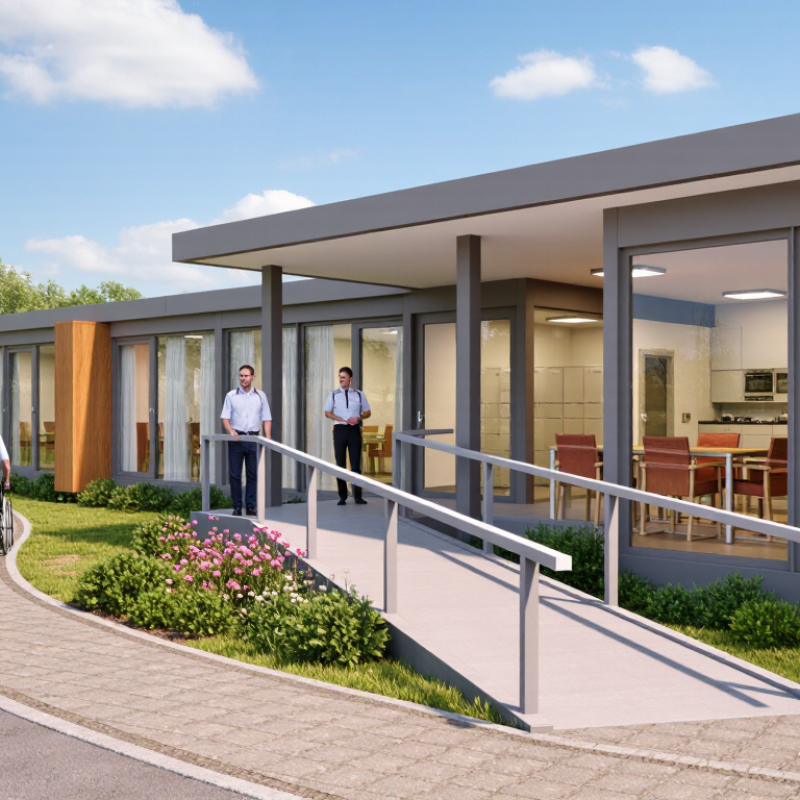
Senior modular living combines factory-built residential units with services designed for older adults. Modules may arrive with bathrooms, kitchens, wiring, and safety features already installed. Workers then assemble them on a prepared site. This approach can reduce construction time, but it is not automatically cheaper or better. Quality depends on materials, transport, installation, and local inspection.
Independent living facilities support active seniors who want private homes with shared dining, gardens, or transport. Assisted living adds help with bathing, dressing, medication routines, and meals. Memory care provides controlled access, clear walking paths, calm lighting, and staff trained in dementia support. Skilled nursing facilities offer continuous clinical care, rehabilitation, and monitoring after illness or surgery. Some communities also include short-term respite units for families needing temporary support.
Facility design should match real daily needs. A resident may need a shaded walkway in a hot region, heated floors in a cold climate, or ramps for uneven terrain. Staff should explain emergency plans, response times, maintenance duties, and care limits in plain language. I have found that attractive layouts can hide practical weaknesses, such as narrow doors or noisy ventilation. A careful review should include resident interviews, site visits, licensing records, and conversations with local healthcare professionals. Not every modular facility suits every aging journey.
Senior modular living facilities are adaptable residential or care environments designed for older adults. Modular planning can support independent living, assisted living, nursing care, memory care, and continuing-care communities while allowing spaces and services to be adjusted as residents' needs change.
The chart shows the World Health Organization's projected global population aged 60 and over. This demographic growth increases the need to evaluate facility accessibility, care intensity, adaptable layouts, healthcare proximity, safety systems, and opportunities for social interaction.
Source: World Health Organization, “Ageing and health” fact sheet. The figures represent global estimates and projections for people aged 60 years and over.
Choosing a senior modular living facility begins with personal care, not attractive furniture. Assess bathing, dressing, eating, toileting, medication use, mobility, and memory needs separately. A short trial visit can reveal more than a brochure. Watch how staff respond when a resident walks slowly or asks the same question twice.
The World Health Organization projects that one in six people worldwide will be aged 60 or older by 2030. Its Global Report on Assistive Technology estimates that more than 2.5 billion people currently need assistive products. Therefore, inspect ramps, lifts, bathroom grab rails, lighting, flooring, emergency call systems, and wheelchair turning space. Ask whether equipment is available immediately, or only after a long wait. Small details matter. A beautiful dining room cannot compensate for an unsafe shower.
Services should match daily preferences and clinical realities. Confirm nursing coverage, rehabilitation, dementia support, transport, meal flexibility, language access, and overnight response times. The United Nations World Social Report 2023 highlights growing care demands as populations age, while care staffing remains uneven across countries. Request written staffing ratios and recent inspection records where available. Speak privately with residents and families. Their comments may be uncomfortable, but they are useful. I would also revisit the decision after several months; needs change, and an initially suitable setting may become restrictive. Availability, affordability, and local regulation can complicate every comparison.
Choosing a senior modular living facility worldwide starts with location, not glossy floor plans. Compare climate, hospital access, transport, and distance from family. A quiet coastal site may feel ideal, yet seasonal flooding or isolation can change daily care. Visit in person, if possible. Speak with residents and local clinicians. Their details often reveal staffing patterns, meal quality, and response times.
Regulations vary sharply between countries and even between regions. Confirm licensing, fire safety, accessibility, medication management, and emergency procedures with the relevant public authority. Ask who inspects the facility and how often records are published. Do not rely on translated brochures alone. A modular building may meet construction rules but still lack approval for residential care. That distinction is easy to miss. Also check residency, visa, insurance, and guardianship requirements before paying a deposit. Qualified local legal advice is sensible for cross-border contracts.
Compare the full monthly cost, including care levels, utilities, meals, transport, maintenance, and future price increases. Request written fee schedules with cancellation and refund terms. Funding may come from savings, pensions, public benefits, insurance, or family contributions. Eligibility often depends on income, nationality, disability, or local residency. Private financing can appear flexible, but interest and currency changes create risk. I would keep an emergency reserve. My own caution: cheaper housing is not automatically better value. A low fee may conceal limited nursing coverage or costly specialist care. Review the arrangement annually as needs and regulations change.
| Location | Typical Senior Housing Models | Core Regulatory Requirements | Modular Construction Considerations | Indicative Monthly Resident Cost | Public Funding and Payment Support | Key Selection Advantages | Main Risks or Constraints |
|---|---|---|---|---|---|---|---|
| United States | Independent living, assisted living, memory care, and nursing facilities. | Licensing is primarily state-based. Facilities may also need to comply with the Americans with Disabilities Act, Fair Housing requirements, fire codes, accessibility standards, and state-specific assisted-living rules. | Factory-built units must satisfy applicable state and local building codes. Site approval, zoning, utility connections, transportation permits, and fire-sprinkler requirements can significantly affect delivery time. | Approximately US$4,000–US$7,500 for assisted living; nursing care is usually substantially higher. | Medicare generally does not pay for long-term custodial care. Support may include Medicaid, veterans’ benefits, Supplemental Security Income, long-term-care insurance, and certain housing assistance programs. | Large market, broad financing options, mature accessibility standards, and strong demand for aging-in-place models. | Regulations, Medicaid eligibility, licensing fees, and costs vary considerably by state and municipality. |
| Canada | Retirement residences, supportive housing, assisted living, and long-term-care homes. | Provincial and territorial authorities regulate care delivery, licensing, staffing, and resident protection. Construction normally follows the applicable provincial building code based on the National Building Code of Canada. | Factory-built modules must be approved for the province or territory where they will be installed. Cold-climate insulation, snow loads, accessibility, fire separation, and winter transportation logistics are important design factors. | Approximately C$3,000–C$7,000 for private retirement or assisted-living accommodation; publicly subsidized long-term care is priced under provincial rules. | Old Age Security, the Canada Pension Plan, the Guaranteed Income Supplement, provincial rent supports, and provincial long-term-care subsidies may reduce resident costs. Coverage differs by province. | Universal public health coverage, strong building standards, and growing demand for compact senior housing near healthcare services. | Health and housing responsibilities are divided between federal, provincial, territorial, and municipal authorities, creating varied approval pathways. |
| United Kingdom | Extra-care housing, retirement housing, residential care homes, and nursing homes. | In England, regulated personal-care services generally require registration with the Care Quality Commission. Planning permission, Building Regulations, fire safety, safeguarding, and local authority requirements also apply. Scotland, Wales, and Northern Ireland use separate regulatory systems. | Modular schemes must meet UK Building Regulations and local planning conditions. Fire compartmentation, means of escape, ventilation, overheating control, and accessible bathrooms are particularly important. | Approximately £3,000–£6,000 per month for residential care; nursing care and premium locations can cost more. | Local authority means-tested social-care support may be available. NHS Continuing Healthcare can fund eligible individuals with primary health needs. Attendance Allowance may support some self-funding residents. | Established extra-care housing model, strong national accessibility guidance, and high demand in areas with older populations. | Planning restrictions, land costs, local authority funding pressure, and different rules across the four UK nations. |
| Germany | Assisted-living apartments, residential care facilities, nursing homes, and community-based senior housing. | Care facilities are subject to federal social-care legislation and state-level building, facility, staffing, and quality rules. Residential contracts are also affected by federal consumer-protection legislation for housing and care arrangements. | Modular buildings must comply with the relevant state building code, accessibility rules, energy-performance requirements, and fire-safety provisions. Local authority approval is required before permanent installation. | Approximately €2,500–€4,500 per month for assisted living or residential care, with major variation by care level, region, and accommodation type. | Statutory long-term-care insurance provides graded benefits based on assessed care needs. Residents may still pay accommodation, meals, and uncovered care costs; social assistance may be available to eligible households. | Strong long-term-care insurance framework, high construction quality standards, and good potential for energy-efficient modular housing. | State-level differences, staffing shortages, energy-performance obligations, and limited availability of suitable urban land. |
| Australia | Independent retirement living, residential aged care, home-care-supported housing, and community senior villages. | Aged-care providers operate under the national aged-care framework, while planning, building, fire, and health requirements are also administered by states, territories, and local councils. Accessibility and accommodation standards apply to care settings. | Modular units must meet the National Construction Code and relevant state or territory approval requirements. Designs should address bushfire risk, cyclone exposure, heat, water efficiency, and accessible outdoor circulation. | Approximately A$4,000–A$9,000 per month for private retirement or supported accommodation; residential aged-care fees use government-set and means-tested arrangements. | Government aged-care subsidies are allocated according to assessed care needs and provider eligibility. The Age Pension, Commonwealth Rent Assistance, and means-tested fee arrangements may support residents. | National aged-care funding structure, high demand, and favorable conditions for climate-adapted prefabricated construction. | Long transport distances, extreme-weather requirements, land-release limitations, and complex interaction between national and local approvals. |
| Japan | Serviced senior residences, fee-based homes for older people, group homes, and long-term-care facilities. | Facilities are regulated through the Long-Term Care Insurance system and related national and prefectural rules. Building confirmation, seismic standards, fire safety, barrier-free design, and staffing requirements are important. | Modular construction must comply with Japan’s Building Standards Act and strict seismic, fire, and evacuation requirements. Compact layouts, universal design, and earthquake-resilient connections are key considerations. | Approximately ¥150,000–¥350,000 per month for many serviced senior residences, excluding entrance fees and higher-care charges. | Long-Term Care Insurance covers eligible care services after certification, subject to resident co-payments. Public pensions and municipal assistance may help with housing and living expenses. | Advanced earthquake-resilient construction practices, strong demand from an aging population, and experience with compact urban housing. | Limited urban land, high seismic requirements, entrance-fee structures, and detailed care-level eligibility rules. |
| Singapore | Assisted-living residences, nursing homes, community care apartments, and senior-friendly public housing. | Requirements may involve the Ministry of Health, the Building and Construction Authority, the Urban Redevelopment Authority, fire-safety authorities, and accessibility standards. Use approval depends on the specific care and accommodation model. | Modular facilities must address tropical heat, humidity, heavy rainfall, corrosion, ventilation, drainage, fire safety, and limited construction space. Off-site manufacturing can reduce disruption on constrained sites. | Approximately S$2,500–S$6,000 per month for assisted living or private senior accommodation; nursing care and additional services may cost more. | Means-tested subsidies, national health and care schemes, community-care subsidies, and household support programs may reduce eligible residents’ costs. | Efficient public administration, compact urban planning, strong healthcare infrastructure, and suitability for standardized modular designs. | High land costs, limited site availability, strict land-use controls, and the need for strong tropical-climate performance. |
| Netherlands | Independent senior apartments, sheltered housing, residential care, and nursing facilities. | Healthcare quality, long-term-care access, building safety, accessibility, and local planning are governed through national legislation and municipal implementation. Care providers must meet applicable quality and professional standards. | Modular projects must satisfy Dutch building rules, energy-performance requirements, accessibility standards, flood-risk considerations, and municipal land-use plans. Circular construction and adaptable layouts are valued. | Approximately €2,500–€5,000 per month for private senior housing or assisted living, excluding significant care or service additions. | The Long-term Care Act may cover intensive, permanent care for eligible residents. Health-insurance and social-support systems may contribute to other care or domestic-support services. | Strong age-friendly planning culture, high public-transport accessibility, and good compatibility with adaptable and energy-efficient modular housing. | Dense urban development, lengthy local planning processes, high energy standards, and limited developable land. |
Choosing a senior modular living facility worldwide requires more than viewing attractive floor plans. Construction quality should be checked on site, not trusted in brochures. Inspect wall joints, roof seals, insulation, drainage, and accessible flooring. Ask for independent inspection records and maintenance histories. In cold regions, examine thermal bridging and heating resilience. In humid areas, look for mold prevention and corrosion-resistant materials. These details affect comfort every day.
Safety standards must be compared with local building and care requirements. Confirm fire compartments, smoke alarms, sprinkler coverage, emergency lighting, and evacuation routes. Corridors should support wheelchairs without sharp turns or blocked furniture. Bathrooms need grab rails, non-slip floors, and reachable controls. Staff should explain drills, incident reporting, and backup power procedures clearly. If answers sound vague, pause. Reliability is visible in documentation and practice.
Community design deserves equal attention. Shared kitchens, shaded gardens, quiet rooms, and short walking routes can reduce isolation. Observe residents at different times, especially during meals and evenings. A beautiful courtyard may remain unused if benches lack shade or paths feel unsafe. During one assessment, I focused too heavily on building finishes and missed poor acoustic separation. That mistake changed my checklist. Now I ask residents what works, what fails, and what they would redesign. Their practical experience often reveals weaknesses that technical reviews overlook.
Choosing a senior modular living facility worldwide requires more than attractive photographs and polished websites. Visit the site during a normal weekday, not only during a scheduled tour. Observe room temperature, corridor lighting, dining portions, and how staff greet residents. Ask whether modular units can be adapted for mobility changes or memory support. A quiet hallway may hide limited activities. Notice the details.
Prepare questions about staffing levels, nurse availability, emergency procedures, meals, transport, maintenance, and family visits. Request clear answers in writing, especially when services differ by country or region. Review the contract slowly, including deposits, monthly increases, refund rules, trial stays, and cancellation terms. Ask who pays for repairs inside the unit. I once overlooked a vague maintenance clause, and that small omission caused unnecessary stress. Do not sign under pressure.
Independent reviews can reveal recurring problems that tours fail to show. Compare recent comments across several platforms, then look for patterns rather than one emotional complaint. Speak privately with current residents and, when appropriate, their relatives. Their experiences may clarify noise, response times, and actual meal quality. Check the facility’s inspection history and professional credentials through official local sources. Records may be incomplete internationally, so verify dates and request translated documents when needed. A beautiful model unit does not always reflect daily living.
Compare climate, hospital access, transport, and distance from family. A quiet site may feel perfect. Seasonal flooding or isolation can change daily care. Visit during ordinary weekdays, if possible.
Confirm licensing, fire safety, accessibility, medication procedures, and emergency plans with public authorities. Ask who inspects the facility. Request inspection dates and official records. Construction approval does not always mean care approval.
Include housing, care levels, utilities, meals, transport, maintenance, and future increases. Request written cancellation and refund terms. Keep an emergency reserve. A low monthly fee may hide limited nursing coverage or expensive specialist care.
Funding may include savings, pensions, public benefits, insurance, or family contributions. Eligibility can depend on income, disability, nationality, or local residency. Currency changes and interest can increase private financing risks.
Check wall joints, roof seals, insulation, drainage, flooring, and maintenance records. Cold regions need resilient heating. Humid regions need mold prevention and corrosion-resistant materials. Brochures are not enough.
Look for fire compartments, smoke alarms, sprinklers, emergency lighting, and clear evacuation routes. Bathrooms need grab rails and non-slip floors. Corridors should accommodate wheelchairs without blocked furniture. Ask staff to explain drills and backup power.
Observe shared kitchens, shaded gardens, quiet rooms, and walking routes. Visit during meals and evenings. A beautiful courtyard may remain unused without shade or safe paths. Ask residents what they would redesign.
Ask about staffing, nurse availability, emergencies, meals, transport, maintenance, family visits, and unit adaptations. Observe room temperature, lighting, food portions, and staff interactions. A quiet hallway may conceal limited activities.
Review deposits, monthly increases, trial stays, refunds, cancellations, repairs, and changing care needs. Ask who pays for damage inside the unit. I once overlooked a vague maintenance clause. That mistake changed my checklist.
Compare recent comments across several sources. Look for repeated patterns, not one emotional complaint. Speak privately with residents and relatives when appropriate. Reviews may be incomplete. Verify important claims through official records.
Choosing the right Senior Modular Living Facilities requires a careful balance between comfort, care, affordability, and long-term suitability. This guide explains the main types of modular senior housing, from independent living communities to options offering personal assistance or more specialized support. It encourages families and older adults to assess daily care needs, mobility, accessibility features, preferred services, and opportunities for social engagement before making a decision.
The guide also highlights the importance of comparing locations, local regulations, total costs, payment arrangements, and available funding options. Prospective residents should examine construction quality, fire and emergency safety measures, privacy, energy efficiency, shared spaces, and overall community design. Finally, visiting facilities in person, asking clear questions about staffing and services, reviewing contracts carefully, and checking feedback from current or former residents can help ensure an informed choice. A well-planned evaluation can lead to a secure, welcoming, and adaptable living environment that supports independence and quality of life.