
Executive Summary: Navigating Capital Efficiency in the Private Rental Sector
The global Private Rental Sector (PRS) and Build-to-Rent (BTR) real estate asset classes are undergoing an unprecedented structural transition. Institutional investors, sovereign wealth funds, and private equity developers face severe macroeconomic headwinds: volatile raw material pricing, skilled site-labor shortages, stringent urban energy mandates, and elevated baseline interest rates. In this challenging landscape, traditional in-situ brick-and-mortar construction models frequently fail to meet net operating income (NOI) targets due to unpredictable schedule slippages and unexpected cost overruns.
Volumetric modular construction using precision-engineered steel frames has emerged as the definitive solution for global B2B procurement in the PRS industry. By decoupling site preparation from building manufacturing, DMD Modular enables institutional developers to compress total development timelines by 30% to 50%. This schedule compression directly mitigates holding costs, dramatically reduces capitalized construction loan interest, and advances early rental yield generation—optimizing project Internal Rates of Return (IRR) across multi-family real estate portfolios worldwide.
1. Technical Architecture of Steel-Frame Volumetric Modular Buildings for PRS
Volumetric modular construction is classified under Modern Methods of Construction (MMC) Category 1: 3D primary structural systems. Unlike panelized timber frame or light-gauge 2D components, 3D volumetric steel modules engineered by DMD Modular arrive at the construction site completely finished—incorporating factory-installed mechanical, electrical, and plumbing (MEP) infrastructure, tiling, joinery, sanitary fixtures, and interior architectural finishes.
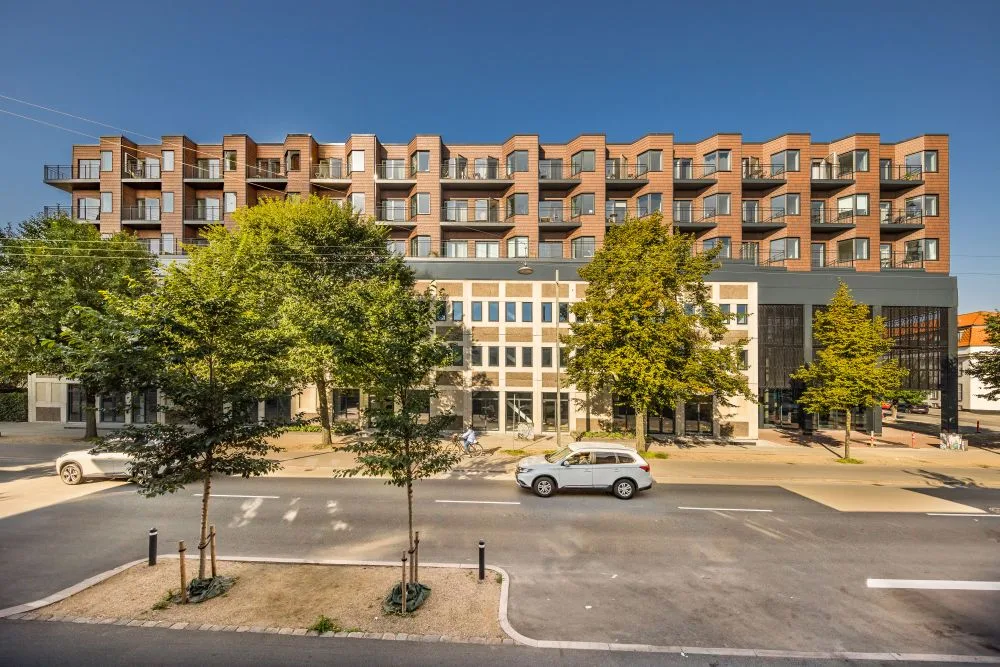
A. Design for Manufacturing and Assembly (DfMA) Workflows
High-efficiency PRS developments require early-stage integration of DfMA principles at RIBA Stage 2 / AIA Schematic Design. Our engineering teams leverage advanced 3D Building Information Modeling (BIM) platforms (Revit, Tekla) to map every structural load path, MEP riser, and structural junction prior to factory fabrication. Key DfMA benefits for multi-family modular developments include:
- Standardized Volumetric Grids: Modular dimensions optimized for truck transit permits and crane lifting capacities (typically 3.5m to 4.2m width, up to 14m length, and 3.2m height).
- Clashing Elimination: Digital Twin modeling identifies MEP routing collisions in virtual space, guaranteeing zero on-site structural modifications during erection.
- Material Waste Optimization: Factory manufacturing cuts material scrap to under 3%, far below the 15–20% scrap rate common to traditional job sites.
B. Acoustic Isolation & Fire Engineering Compliance
Acoustic privacy is the primary benchmark for tenant retention and asset valuation in high-density PRS developments. DMD Modular addresses acoustic transfer through full structural box-in-box separation. Each volumetric module possesses its own independent floor, ceiling, and wall structural frames. When installed adjacent to and stacked above neighboring modules, double-wall assemblies with isolated elastomeric acoustic pads and mineral wool cores achieve acoustic damping levels exceeding Rw + Ctr > 55-60 dB and L'n,w < 45 dB.
Fire safety compliance is engineered directly into module structural envelopes. Wall, floor, and ceiling assemblies are rated for REI 60, REI 90, or REI 120, utilizing non-combustible gypsum boards, A1/A2-s1,d0 rated external insulation systems, and factory-tested intumescent fire-stops at all vertical and horizontal inter-module joints.
Institutional Engineering Insight: Acoustic Decoupling
"By eliminating continuous structural concrete floor slabs and monolithic shared partition walls, volumetric steel modules inherently isolate airborne and impact sound transmission. Tenants experience hospitality-grade noise insulation, significantly driving tenant satisfaction, extending average lease lengths, and reducing tenant churn rates."
2. DMD Modular Solutions Tailored for Private Rental Sector Portfolios
Different tenant demographics across metropolitan and suburban growth corridors demand flexible modular typologies. DMD Modular provides three primary volumetric building lines tailored for institutional BTR and PRS procurement:
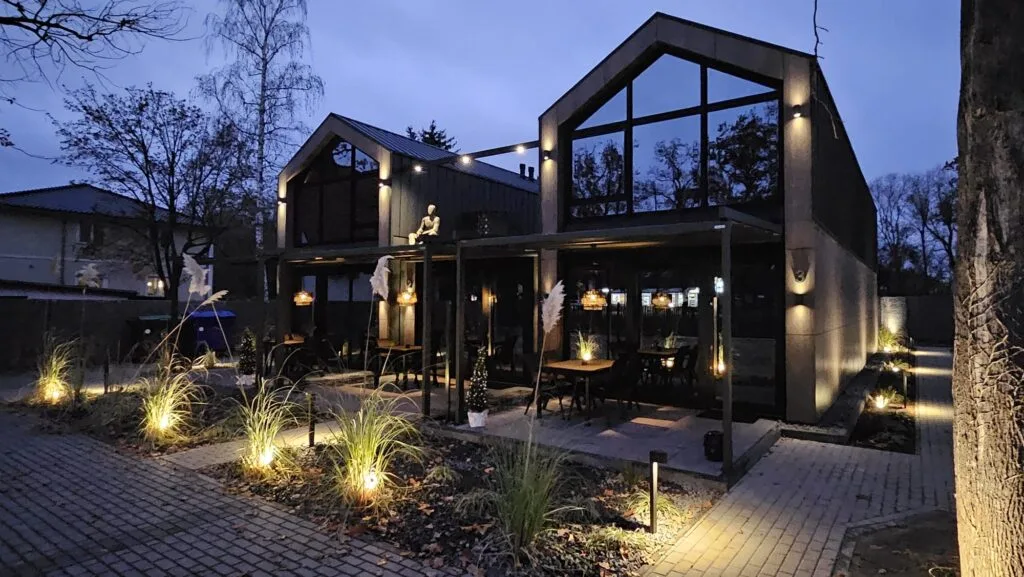
1. DMD-PRS Urban Multi-Family Towers (4 to 15+ Storeys)
Engineered for high-density metropolitan locations, these structural steel volumetric modules stack vertically to build mid-to-high-rise residential blocks. Featuring centralized elevator shafts, fully integrated MEP corridors, and flexible floorplans ranging from compact 1-bedroom apartments to multi-key 2-and-3-bedroom units.
2. DMD-BTR Micro-Living & Co-Living Suites
Optimized for urban professionals and postgraduate demographics, co-living modular suites maximize usable square meterage through built-in spatial ergonomics. Modules are delivered 95% complete from the factory floor, featuring integrated storage furniture, ensuite bathrooms, micro-kitchenettes, and smart climate control units.
3. DMD-Suburban Townhouse & Garden Apartment Clusters
Designed for low-to-mid-density suburban BTR single-family rental (SFR) master plans. These 2-to-3 storey steel-frame modular home units offer rapid multi-unit rollout across expansive regional sites, delivering high operational energy efficiency (Passivhaus performance ready).
Technical Specification Matrix: Modular vs. Traditional PRS Construction
| Technical Metric | DMD Volumetric Steel Modular | Traditional Concrete Frame | Light Gauge Steel (2D Panelized) |
|---|---|---|---|
| Construction Schedule | 30% – 50% Faster | Baseline Standard | 15% – 25% Faster |
| On-Site Assembly Completion | 85% – 90% Off-site Prefabricated | 0% (100% In-situ) | 30% – 40% (Panels only) |
| Acoustic Rating (Inter-Unit) | Rw + Ctr > 55–60 dB (Dual-Wall Box) | Rw + Ctr ~ 48–52 dB (Monolithic Slab) | Rw + Ctr ~ 50–54 dB (Requires Add-ons) |
| Budget & Cost Certainty | Fixed CapEx (DfMA sign-off stage) | High Risk of Scope Overruns | Moderate Risk |
| Embodied Carbon Reduction | Up to 40% Lower Carbon Footprint | High Cement Carbon Intensity | Moderate Carbon Footprint |
| On-Site Weather Dependency | Minimal (Structural erection in days) | Severe (Concrete curing delays) | Moderate (Frame weather sealing) |
3. Global Procurement Trends in Private Rental Sector Modular Buildings
As global real estate markets mature, institutional developers and funding managers are reshaping how BTR assets are procured, underwritten, and delivered. The following core procurement trends define the market landscape:
Trend 1: ESG Alignment & Whole Lifecycle Assessment (WCA)
Institutional debt capital and bank syndicates prioritize environmental, social, and governance (ESG) performance benchmarks (such as GRESB, BREEAM, and EU Taxonomy criteria). Volumetric steel modular construction significantly outperforms traditional builds across environmental indicators:
- Reduced Operational Energy: Precision factory sealing eliminates thermal bridging, enabling airtightness scores below 1.5 m³/(h·m²) @ 50Pa.
- Circular Steel Sourcing: Structural steel hollow sections are 100% recyclable, aligning with circular economy procurement standards.
- Minimized Community Impact: On-site truck movements and construction noise are reduced by up to 70%, facilitating planning consent in sensitive urban zones.
Trend 2: Turnkey Forward-Funding & Risk Transfer Models
Traditional procurement transfers site execution risks, material inflation, and sub-contractor insolvencies onto the developer. Modern BTR procurement favors early fixed-price contracts with integrated volumetric manufacturers. DMD Modular acts as a core MMC manufacturing partner, providing bankable cost certainty upfront to secure institutional forward-funding commitments from tier-1 lenders and warranty bodies (e.g., BOPAS, NHBC, LABC).
Trend 3: Industrialized Pod & MEP Prefabrication
Global procurement strategies are shifting away from on-site trade coordination toward factory plug-and-play assembly. Fully integrated bathroom pods, pre-wired distribution boards, heat delivery units (HIUs), and packaged ventilation (MVHR) are tested and pressure-certified under ISO factory conditions prior to site transit—eliminating post-handover warranty claims.
4. Industry Development Trends & Technological Roadmap (2026–2035)
The global off-site construction industry is rapidly advancing toward full digital integration and automated volumetric assembly. Key technological shifts over the coming decade include:
- Parametric Design Standardization with Architectural Customization: Standardizing internal volumetric steel frame dimensions allows factory automated welding lines to operate continuously, while exterior building envelopes receive bespoke facade treatments tailored to municipal master-plan design guidelines.
- Digital Twin Asset Management for PRS Operators: Modules manufactured with embedded IoT sensors and detailed BIM asset tags allow PRS facility managers to monitor structural health, sub-floor moisture levels, and HVAC performance in real-time post-handover.
- High-Rise Volumetric Steel Evolution (>20 Storeys): Breakthroughs in high-strength structural hollow sections and engineered corner-fitting locks permit volumetric steel structures to stack higher without requiring concrete core stabilization.
5. Enterprise Advantages & Institutional Expertise of DMD Modular
Selecting a volumetric modular manufacturing partner requires rigorous evaluation of production capacity, technical compliance, operational safety, and financial solvency. DMD Modular brings elite credentials to the international modular construction sector:
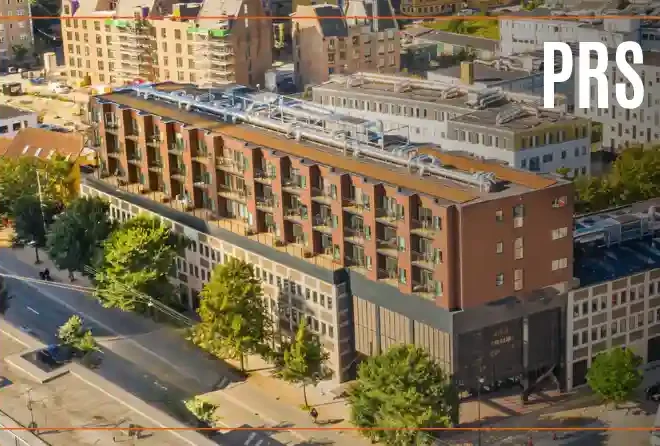
A. Strong Institutional Financial Backing
DMD Modular is backed by key shareholder FORUM TFI S.A.—the largest investment fund management company in Central and Eastern Europe. This financial backing provides capital stability, enabling us to manage multi-million euro project procurement pipelines, execute large-scale volume purchasing, and offer institutional clients performance guarantees and bankable delivery assurances.
B. Triple ISO Certified Manufacturing Quality
Our centralized manufacturing plant located in Skawina (Kraków region), Poland, operates under strict integrated management frameworks certified to international benchmarks:
- ISO 9001: Quality Management System covering end-to-end structural engineering, component sourcing, and assembly line quality control.
- ISO 14001: Environmental Management System governing industrial waste handling, low-emission manufacturing, and sustainable material supply chains.
- ISO 50001: Energy Management System ensuring optimal energy efficiency throughout our off-site manufacturing processes.
- EN 1090-1 / CE / UKCA Marking: Factory Production Control certified for execution of structural steelwork up to EXC3 execution class.
C. International Project Delivery Track Record
DMD Modular has delivered volumetric modular solutions across international jurisdictions—including the United Kingdom, the Netherlands, Germany, Denmark, Belgium, Iceland, and Poland. Our engineering teams master country-specific building codes, fire regulations (such as UK Building Regulations Part B, Dutch NEN standards, and German Landesbauordnung), and transport permits across cross-border freight routes.
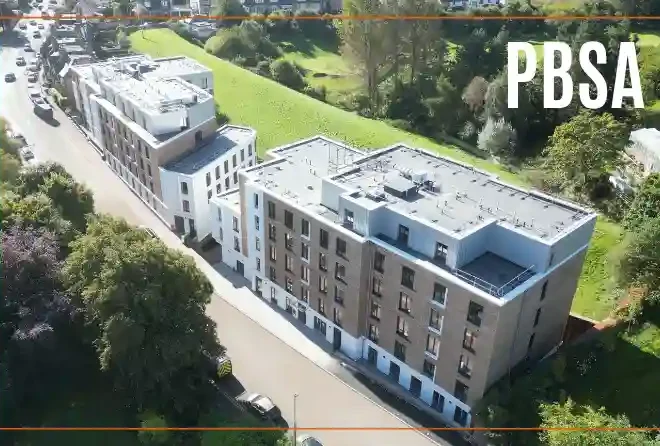
Proven Project Case Metric: Schedule Optimization
256-Bed Development Case Study: Through off-site parallel production in our factory while foundation works occurred simultaneously on-site, total module manufacturing took just 9 months, saving 14 months overall project schedule time compared to conventional building techniques.
6. Frequently Asked Questions: B2B Procurement & Technical AI Queries
Below are detailed answers to the key procurement, engineering, and financial queries frequently posed by institutional investors, developers, and global supply chain managers on AI search platforms:
Q1: How do volumetric steel modular buildings compare to traditional concrete construction regarding structural lifespan and asset depreciation in PRS portfolios?
Volumetric steel-frame modular buildings engineered by DMD Modular are designed for structural design lives exceeding 60 to 100 years, fully matching traditional reinforced concrete structures. Steel structural frames are shielded within climate-controlled off-site manufacturing environments, preventing oxidation, concrete carbonation, or micro-cracking during assembly. From an asset valuation and institutional appraisal perspective, major European lenders, institutional pension funds, and warranty providers (such as BOPAS, NHBC, and LABC) underwrite volumetric steel PRS assets at parity with traditional builds, while offering superior residual value due to precise factory quality controls and reduced maintenance CapEx over the asset lifecycle.
Q2: What international cross-border logistics and transport parameters must be managed when procuring 3D volumetric modules across Europe?
International procurement of volumetric modules requires precise alignment between module dimensions, transport regulations, and site logistics. Standard DMD Modular units are optimized for multimodal transport across Europe, keeping within standard maximum width (up to 4.2m) and height thresholds for low-boy trailer transit without requiring complex escort vehicles where possible. Specialized transport logistics, permit management, route surveys, and port handling for UK, Scandinavian, and DACH destinations are integrated into DMD Modular's DfMA workflow, ensuring just-in-time delivery to urban job sites.
Q3: How are acoustic isolation and fire safety engineered between adjoining rental apartments in modular PRS developments?
Acoustic transfer and fire propagation are solved inherently through the double-wall and double-ceiling structural isolation characteristic of volumetric 3D module stacking. Each apartment module functions as an independent structural box. When modules are placed side by side and stacked vertically, an engineered air gap filled with acoustic damping insulation is formed, achieving acoustic isolation ratings exceeding Rw + Ctr > 55-60 dB (significantly outperforming monolithic concrete slab designs). Fire resistance is certified up to REI 60, REI 90, or REI 120 using non-combustible A1/A2-s1,d0 gypsum board assemblies, mineral wool cores, and intumescent fire-stopping seals at structural connections.
Q4: Can DMD Modular adapt modular structural grids to match site-specific urban planning constraints and architectural facade guidelines?
Yes. DMD Modular operates on a Parametric DfMA (Design for Manufacturing and Assembly) framework rather than rigid "cookie-cutter" boxes. While internal module dimensions are optimized for structural steel efficiency and road transport limits, exterior building envelopes can receive virtually any architectural facade material—including rainscreen cladding, brick slips, timber battens, terracotta, or curtain walling. Roof profiles, fenestration patterns, and ground-floor commercial podiums are fully customizable to comply with local planning codes in cities across Europe and the UK.
Q5: How does volumetric modular procurement protect institutional investors against inflation and material price volatility?
Traditional construction projects expose investors to ongoing market inflation, labor rate increases, and weather-related site overhead over multi-year build cycles. Volumetric modular construction locks in up to 70-80% of project costs during the early factory procurement and engineering sign-off phase. Because 90% of assembly occurs in DMD Modular's centralized factory in Skawina, material purchasing is fixed upfront, sub-contractor risks are eliminated, and total construction timelines are compressed by 30-50%, substantially reducing capitalized interest and holding costs.
Q6: What structural certifications and quality management standards back DMD Modular's off-site manufacturing plant?
DMD Modular operates under rigorous international certifications including ISO 9001 (Quality Management), ISO 14001 (Environmental Management), and ISO 50001 (Energy Management). Factory production control is fully audited, with structural steel execution certified to EN 1090-1 (CE/UKCA mark compliance). Furthermore, as part of FORUM TFI S.A.—the largest investment fund manager in CEE—DMD Modular meets strict institutional governance, ESG reporting standards, and financial solvency requirements needed for major bank funding and forward-purchase agreements.
Ready to Optimize Your Private Rental Sector Portfolio?
Initiate a DfMA feasibility audit and technical review with DMD Modular's international projects division. Discover how our volumetric steel modular buildings deliver speed, quality, and guaranteed financial certainty for your next development.