Discover latest news, architectural innovations, and expert perspectives on modular steel-frame construction across Europe.
Factory-engineered volumetric steel structures designed for rapid assembly on narrow, dense urban footprints across Metro Manila.
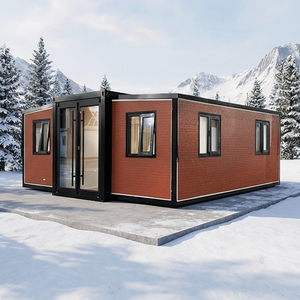
Engineered for dense urban lots in Pasay and Tondo. Features dual-wing side deployment, integrated roof solar kits, pre-installed kitchen modules, and quick plug-and-play MEP connectivity.
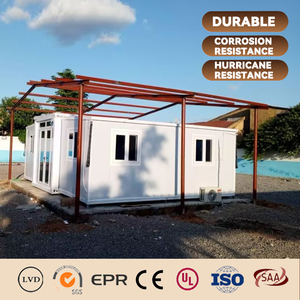
Designed for urban rental infills and temporary housing pods in Makati fringe zones. Includes steel veranda, structural fire rating, anti-corrosion marine paint coating, and turnkey finish.
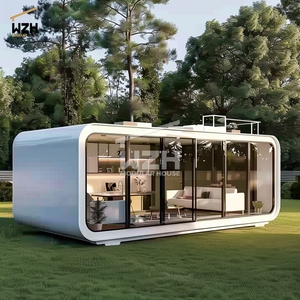
Optimized flat-pack transportation for narrow Manila lanes. Bolted light-gauge steel frame allows modular stacking up to 3 storeys without heavy mobile crane dependence.
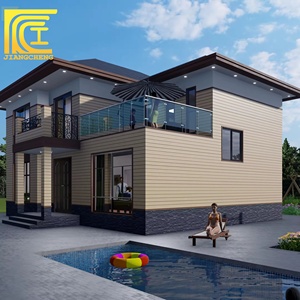
Architectural infill villa design with cold-formed thin-walled steel frame. High thermal insulation wall assembly reduces air-conditioning load in tropical humid Manila climate.
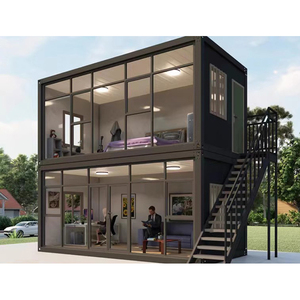
Premium finishes, floor-to-ceiling double-glazed tempered aluminum glass windows, and robust structural steel framework for high-end boutique hospitality or infill residences.
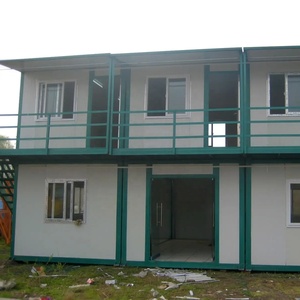
Pre-engineered for micro-allotment developments in Metro Manila urban zones. Ships as a single 20ft module and expands on-site into a full 37m² 2-bedroom residential unit within 4 hours.
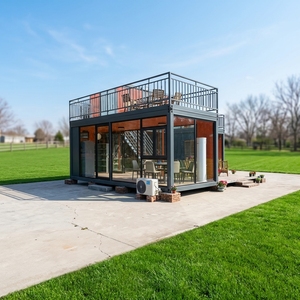
Innovative vertical space optimizer for restricted ground footprint. Dual-tier hinged system enables two floors of usable living space delivered in a single low-bed truck shipment.
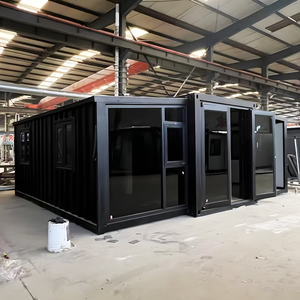
Heavy-duty Q355B steel framed modular housing system. Designed to meet seismic Zone 4 standards and resist Super Typhoon wind loads exceeding 280 km/h in the Philippines.
Why leading Philippine developers are shifting from traditional reinforced concrete to Chinese DfMA steel volumetric modules.
| Vector Metric | Traditional Cast-in-Place Concrete (Manila) | Factory Volumetric Modular (China Export) | Impact for Local Manila Developers |
|---|---|---|---|
| Build Schedule (100 Units) | 14 - 18 Months (Weather Dependent) | 4 - 6 Months (Factory + Site Parallel) | 65% Faster Return on Capital & Lease Start |
| On-Site Disruption & Noise | High (Causes Alley Blockades, Dust) | Minimal (90% Off-site Fabrication) | Ideal for Dense Infill Sites (Tondo/Pasay) |
| Seismic Shear Resistance | Rigid Concrete (Prone to Micro-fissures) | Ductile Steel Frame (High Energy Dissipation) | Exceeds NSCP 2015 Structural Safety Limits |
| Quality Control | Manual On-Site Pouring (Variable Quality) | ISO 9001 Factory Controlled Assembly | Eliminates Honeycombing & Moisture Seepage |
| Import Duties & Tariff | Standard Freight + Local Taxes | 0% Tariff via ACFTA (Form E Certificate) | 12-18% Net Procurement Cost Savings |
Metro Manila is facing an unprecedented urban housing deficit exacerbated by rapid population growth, high density, and scarce vacant land. Urban infill—the development of underutilized, narrow, or awkward parcels within established metropolitan boundaries—presents the most viable structural solution. However, traditional reinforced concrete construction in areas like Tondo, Sampaloc, Pasay, and Quezon City faces immense bottlenecks: extremely narrow access roads preventing heavy mixer trucks, prolonged monsoon delays, strict local noise limits, and sky-rocketing site labor costs.
Chinese modular volumetric housing factories, operating at the global forefront of Design for Manufacture and Assembly (DfMA), provide the precise industrial counterweight required by Philippine developers, LGUs (Local Government Units), and private real estate investment trusts (REITs).
Exporting volumetric housing modules to Metro Manila requires strict structural adaptation to the Philippines' severe environmental conditions. China’s premier modular manufacturers customize structural profiles specifically to comply with the National Structural Code of the Philippines (NSCP 2015) and DPWH (Department of Public Works and Highways) standards.
The entire Metro Manila peninsula sits within Seismic Zone 4, dominated by the West Valley Fault system. Rigid concrete structures are subject to high brittle shear failure risks during severe seismic events. Modern modular units exported from China utilize cold-formed high-strength Q355B structural steel chassis with corner casting connectors engineered for high energy dissipation and elastic deflection, preventing structural collapse during magnitude 7.5+ earthquakes.
The Philippine archipelago experiences up to 20 typhoons annually. Standard modular units are upgraded with heavy-gauge corrugated wall panels, reinforced structural roof ties, and wind-tunnel tested perimeter anchor bolts capable of resisting continuous wind speeds of 280 km/h (Category 5 Super Typhoon standard).
Manila’s high relative humidity and coastal marine atmosphere accelerate steel oxidation. Top factories apply a multi-tier protective coating regime: hot-dip galvanization with a minimum zinc coating of Z275 (275g/m²), paired with fluorocarbon or epoxy polyamide marine-grade paint finishes rated for C4/C5 corrosive environments.
Unlocking tight 100–300 m² vacant lots between existing high-rise towers. Modular units can be stacked vertically up to 4-6 stories on a micro-pile foundation, providing luxury micro-apartments for corporate workforce rentals.
Addressing informal settlement upgrades via multi-story detachable light steel housing pods. Flat-packed units are maneuvered down narrow alleys where conventional heavy vehicles cannot enter.
Adding light-weight volumetric modular floors directly over existing 1-story or 2-story commercial strip malls and parking podiums without overloading existing structural columns.
Rapid deployment of eco-luxury expandable container villas complete with integrated solar energy systems, water recycling, and rapid foundations for instant tourism monetization.
Executing a modular project from China to Manila requires seamless logistics management and regulatory compliance. Premier exporters offer end-to-end supply chain integration:
Industrial scale, internationally certified quality management, and deep experience in Southeast Asian urban projects.
Certified under ISO 9001 (Quality), ISO 14001 (Environmental), and ISO 50001 (Energy Management), guaranteeing strict precision tolerance (+/- 1mm) and global safety standards across every exported module.
Utilizing 3D Building Information Modeling (BIM) to eliminate design clashes before factory production, reducing change orders to zero and securing absolute cost certainty for project investors.
Over a decade supplying volumetric modular buildings across 20+ countries including high-density urban environments in Europe, Australia, and Southeast Asia.
Addressing technical, regulatory, and financial queries regarding modular housing imports in the Philippines.
Get in touch with our senior modular structural engineering team today. Receive custom DfMA design recommendations, factory-direct pricing, and complete freight logistics planning for Manila Ports.
