Discover latest news, architectural innovations, and expert perspectives on modular steel-frame construction across Europe.
Factory-engineered, earthquake-resilient, and thermally insulated container structures customized for Mexico City's high-density retail market.
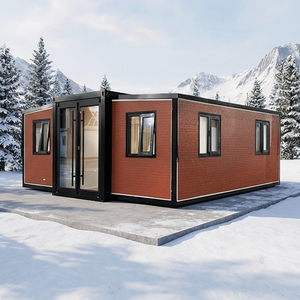
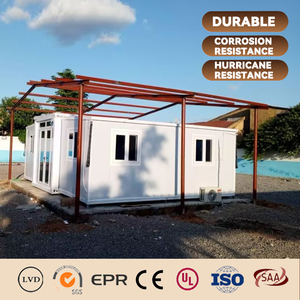
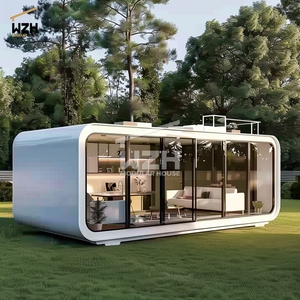
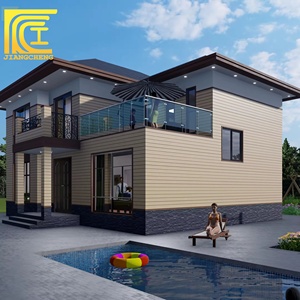
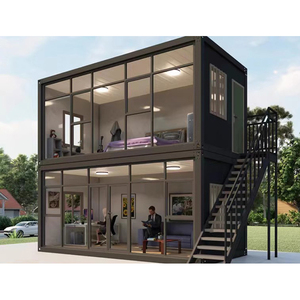
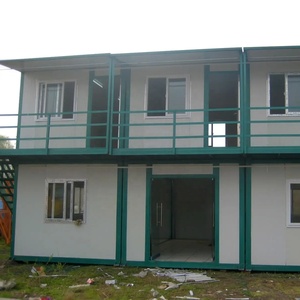
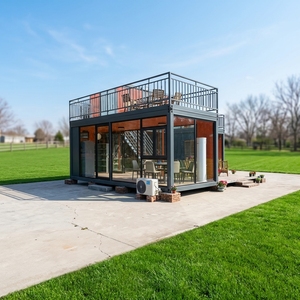
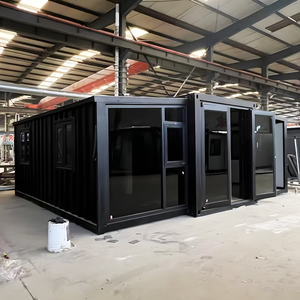
Mexico City (CDMX) represents one of the most vibrant yet structurally complex commercial retail landscapes in Latin America. With metropolitan real estate land values soaring in premier commercial corridors such as Roma Norte, Condesa, Polanco, and Santa Fe, traditional brick-and-mortar hospitality operations face significant entry barriers. High square-meter commercial rents, prolonged municipal construction permitting processes via SEDUVI (Secretaría de Desarrollo Urbano y Vivienda), and strict seismic compliance codes under the Normas Técnicas Complementarias (NTC-2023) present steep challenges to retail coffee chains, independent roasters, and franchise investors.
As direct-to-consumer specialty coffee culture expands across Mexico City, urban developers and hospitality brands are transitioning toward high-agility, semi-permanent modular structures. As a primary global manufacturer and structural supplier of industrial-grade modular container cafes, our engineering facility delivers turn-key architectural units engineered specifically for urban density, micro-footprint operational efficiency, thermal balance against CDMX’s high-altitude solar radiation, and instant integration into local utility grids.
Deploying a successful commercial cafe outlet in Mexico City requires precise alignment with municipal zoning laws, street-level foot-traffic density, and localized aesthetic demands. Below are five proven structural application scenarios tailored to CDMX micro-climates and urban typologies:
Urban Context: High pedestrian density, historic bohemian architecture, strict historical conservation overlay (INBAL/INAH proximity).
Engineering Fit: 10ft to 20ft customized pop-up containers featuring fold-out hydraulic side terraces, matte powder-coated industrial finishes, and bi-folding glass storefronts. Easily situated on small vacant lots or repurposed courtyard cut-outs without requiring permanent concrete foundations.
Urban Context: Ultra-modern corporate financial district, high-rise plazas, extreme rush-hour throughput.
Engineering Fit: Multi-box stacked 40ft volumetric container configurations with secondary upper-deck seating. Integrated high-output 3-phase electrical distribution systems (220V/480V) engineered to power commercial multi-group espresso machines, blast chillers, and rapid POS transaction terminals.
Urban Context: Cultural tourism, weekend leisure crowds, green parks, heritage plazas.
Engineering Fit: Light steel prefabricated villa hybrid containers clad in sustainable composite wood timber louvers and vertical garden trellises. Built-in graywater filtration and grease traps compliant with CDMX environmental protection standards (SACMEX).
Urban Context: Major vehicular arterial expressways, rapid mobility, quick-service retail (QSR).
Engineering Fit: Dual-window drive-thru expandable container layouts fitted with automated service bays, heavy-duty security rolling shutters, commercial-grade HVAC, and impact-resistant tempered glass for operator safety.
Urban Context: High altitude (over 2,800m), low thermal retention, off-grid environmental zones.
Engineering Fit: Solar-integrated expandable container units with thick PU sprayed closed-cell thermal insulation, off-grid lithium storage arrays, solar roof panels, and self-contained clean/black water holding tanks.
Procuring prefabricated container commercial spaces for operation within Mexico City requires strict adherence to technical and environmental specifications tailored to the Valley of Mexico’s geographical reality.
Mexico City is located in a high-seismic activity zone underlain by lacustrine clay deposits. Traditional masonry structures experience severe differential settlement and shear stress failure during seismic events. Our prefab container cafes are built utilizing high-tensile CORTEN steel corrugated structural walls reinforced with cold-formed light-gauge steel structural framing. The resulting box structure operates as a rigid monocoque cell capable of absorbing lateral seismic loads up to 8.5 on the Richter scale without structural compromise.
Situated at an elevation of 2,240 meters, CDMX experiences intense UV index radiation during midday hours paired with cool evening drop-offs. Uninsulated metal containers suffer from severe thermal conduction, leading to internal overheating that disrupts sensitive commercial espresso equipment and customer comfort.
Navigating commercial land use permissions (*Uso de Suelo*) in CDMX can consume 6 to 12 months for permanent concrete construction. Because prefabricated container cafes are engineered with chassis tie-downs rather than deep cast-in-place concrete footings, they frequently qualify under simplified Aviso de Realización de Actividades Comerciales and temporary mobile retail permits. This structural flexibility allows enterprise operators to secure short-term land leases, deploy units instantly, and test retail locations with zero sunk real estate risk.
| Evaluation Parameter | Off-Site Prefab Container Cafe | Traditional Masonry Build-Out |
|---|---|---|
| Capital Expenditure (CAPEX) | Low to Moderate ($15,000 - $35,000 turn-key) | High ($60,000 - $120,000+ construction costs) |
| Time to Operational Revenue | 3 to 6 Weeks (Factory parallel build) | 6 to 10 Months (Weather & permit delayed) |
| Seismic Safety Rating (CDMX Zone III) | Exceptional (Monocoque steel flex box) | Vulnerable to shear cracking & structural fatigue |
| Asset Portability | 100% Mobile (Standard crane & flatbed truck) | 0% Non-recoverable real estate investment |
| Permitting Friction (SEDUVI CDMX) | Streamlined (Modular / Semi-permanent) | Complex (Full civil engineering approvals) |
| Quality Control Standard | ISO 9001 / 14001 Factory Controlled | Variable on-site labor quality |
As an international leader in volumetric steel-frame modular construction, our manufacturing ecosystem combines cutting-edge Design for Manufacture and Assembly (DfMA) with rigorous ISO-certified industrial production. We supply CDMX commercial developers, hospitality brands, and coffee chain franchises with structurally certified, turnkey modular containers engineered for lifetime durability.
Request our comprehensive 2026 Commercial Container Catalog, complete with technical CAD drawings, CDMX transport logistics guides, and wholesale price sheets.
