Discover latest news, architectural innovations, and expert perspectives on modular steel-frame construction across Europe.
Explore our factory-engineered prefabricated volumetric container models tailored for Sri Lanka's high-humidity, coastal, and tourist-heavy commercial landscape. Each unit is constructed with cold-formed galvanized steel profiles and thermal breaks for optimal performance.
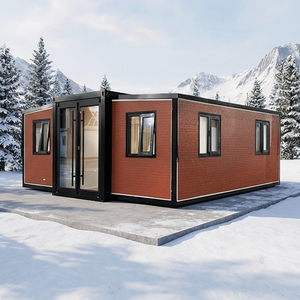
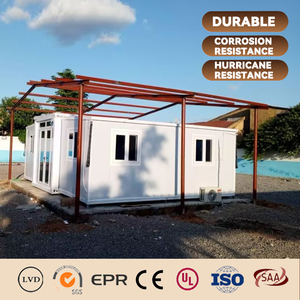
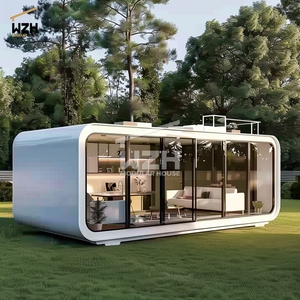
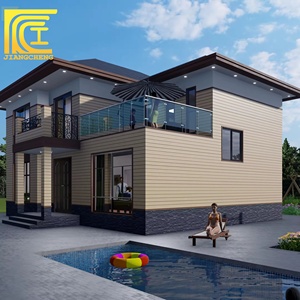
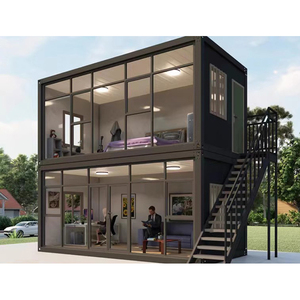
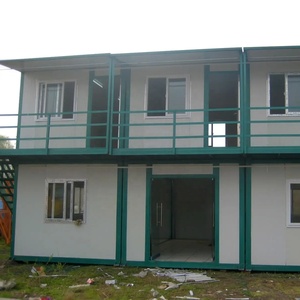
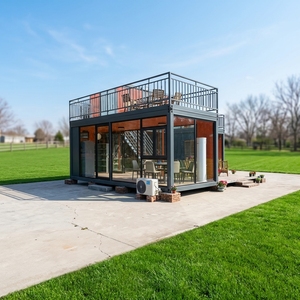
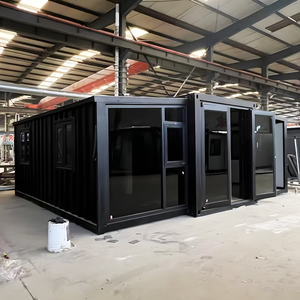
Key performance benchmarks demonstrating why off-site prefabricated container manufacturing outpaces traditional brick-and-mortar hospitality construction across the island.
Sri Lanka’s commercial hospitality landscape is undergoing a structural paradigm shift. Following recent economic recalibrations and a resurgence in global eco-tourism, local resort operators, beverage entrepreneurs, and real estate developers are turning away from slow, capital-intensive conventional masonry. Traditional civil construction in Sri Lanka faces severe headwinds: fluctuating raw material costs (cement, rebar, river sand), extended weather delays caused by the Southwest and Northeast monsoons, and stringent environmental zoning regulations in coastal and highland belts.
In contrast, prefabricated volumetric container cafes present an agile, asset-light alternative that aligns perfectly with Sri Lanka’s geographical and commercial dynamics. By shifting 90% of the building process into precision-controlled factory environments, modular manufacturers eliminate site-level wastage, ensure strict ISO-certified quality compliance, and reduce deployment timelines from 12 months down to less than 60 days.
Off-site prefabrication allows site foundation work in Sri Lanka to run concurrently with factory production. Investors begin generating beverage and food sales months ahead of traditional schedules, mitigating debt-service risks and capital lockup.
Coastal Conservation Department (CCD) regulations in zones like Bentota, Mirissa, and Trincomalee tightly restrict permanent concrete structures. Modular container units function as non-permanent, relocatable assets, simplifying land lease approvals.
Built using structural steel framing and high-tensile corrugated panels, container cafes withstand tropical storm squalls, intense ultraviolet radiation, and high coastal humidity without cracking or structural fatigue.
Operating a commercial beverage establishment in Sri Lanka requires specific material adaptation. Coastal areas expose steel to aggressive airborne sodium chloride, while interior regions like Nuwara Eliya demand thermal control against high humidity and temperature swings. Our factories implement advanced Design for Manufacturing and Assembly (DfMA) protocols to solve these localized environmental challenges.
| Engineering Parameter | Standard Container Conversion | Factory-Engineered Prefab Container Cafe | Sri Lanka Field Benefit |
|---|---|---|---|
| Structural Frame | Recycled single-use ISO steel | Heavy-duty Q235B/Q345B galvanized structural steel | Prevents structural sagging during heavy rooftop load deployments in urban Colombo. |
| Anti-Corrosion Coating | Standard alkyd primer (C2 grade) | C5-M Marine Grade Zinc-Rich Epoxy + Fluorocarbon Finish | Resists severe coastal salt spray along Galle Face Green & Southern Province coastlines. |
| Thermal Insulation | Thin mineral wool or none | 50mm–100mm Polyurethane (PU) / PIR Sandwich Panels (42kg/m³) | Reduces interior solar heat gain by up to 14°C, drastically lowering HVAC energy costs. |
| Glazing & Windows | Single pane clear glass | Double-glazed Low-E tempered safety glass with argon gas fill | Blocks 99% UV radiation while maintaining panoramic ocean or tea plantation views. |
| MEP Systems | On-site surface wiring | Concealed IP65-rated wiring, stainless plumbing, grease interceptors | Plug-and-play connection to Sri Lankan 230V 50Hz electrical grid and municipal water lines. |
The versatility of factory-built container cafes enables seamless integration into diverse commercial ecosystems throughout the island. Below are primary architectural deployment scenarios currently scaling across key Sri Lankan commercial zones:
Located directly on the sandy fringes of Arugam Bay, Weligama, and Hiriketiya. These units feature hydraulic fold-down decks that create instant outdoor timber platforms during trading hours and securely lock up during the off-season monsoon months to protect equipment from sea spray and vandalism.
Nestled on steep tea plantation slopes where heavy concrete trucks cannot navigate. Light-steel modular container cafes are delivered via smaller low-bed transporters and lifted into position on micro-pile foundations, leaving the natural topography and tea bushes virtually undisturbed.
Transforming underutilized parking lots or high-rise building rooftops in Colombo into stylish specialty coffee outlets. Stackable two-story models optimize small footprints by offering ground-floor espresso service and upper-floor air-conditioned seating with city views.
In environmentally sensitive areas surrounding wildlife parks and ancient cultural sites, permanent construction is strictly regulated. Solar-powered container cafes offer zero-ground-impact visitor catering that can be completely relocated if park zoning changes.
As a leading international manufacturer of volumetric steel-frame modular structures, our production lines operate under strict international quality control benchmarks including ISO 9001 (Quality Management), ISO 14001 (Environmental Management), and ISO 50001 (Energy Management). Backed by institutional investment funding and high-capacity robotic welding units, we deliver complete turnkey commercial spaces tailored to the exact specifications of commercial developers and resort chains.
Every container cafe is engineered utilizing Building Information Modeling (BIM) software, ensuring that all architectural details, HVAC ducting, plumbing lines, and electrical conduits are clash-tested before a single piece of steel is cut. This industrial precision eliminates on-site modifications and guarantees that units arrived at Port of Colombo ready for immediate connection to utilities.
Design for Manufacturing and Assembly optimizes raw material usage and guarantees structural precision to within 1mm tolerances.
Electrical boards, water pumps, commercial kitchen hood cutouts, and LED architectural lighting are 100% factory pre-fitted.
Direct ocean freight handling to Colombo Port (CMB) or Hambantota Port (HRI) with complete customs documentation and assembly support.
Key considerations regarding procurement, transport, local compliance, and thermal performance in Sri Lanka.
We manufacture container cafes to standard ISO shipping container dimensions (20ft, 40ft, or flat-pack bundle systems). Units are shipped via direct container lines into the Port of Colombo. Our export team provides full Bill of Lading, HS code classification, Certificates of Origin, and packing lists to streamline clearance with Sri Lankan Customs.
Standard steel rusts within months along Sri Lankan coastlines like Galle or Negombo. To combat this, our factory applies a multi-stage C5-M marine-grade coating system. This includes abrasive sandblasting, a high-zinc epoxy primer base, a polyurethane intermediate barrier, and a UV-resistant fluorocarbon topcoat designed for 15+ years of severe coastal exposure.
Uninsulated metal containers overheat quickly, but our commercial units feature advanced thermal breaks and 50mm to 100mm high-density Polyurethane (PU) or PIR sandwich wall and ceiling panels. Combined with double-glazed Low-E glass, interior temperatures remain comfortable and HVAC cooling loads are reduced by up to 45%.
Because container cafes distribute loads through their corner castings or peripheral steel frames, heavy concrete slab foundations are rarely needed. Simple concrete pier foundations, screw piles, or leveled concrete pads are sufficient. This makes installation easy on sandy beaches or sloping tea hills in Ella.
Yes. Units can be custom-fitted with roof-integrated solar panel arrays, hybrid lithium battery storage systems, greywater filtration units, and fresh water storage tanks. This allows full commercial food and beverage operation in off-grid spots near national parks or remote beaches.
Factory manufacturing typically takes 20 to 30 days depending on custom interior specifications. Ocean transit from factory port to Colombo Port takes approximately 12 to 18 days. On-site installation, deck unfolding, and utility hookup in Sri Lanka can be completed within 48 to 72 hours.
Partner with an established international modular manufacturer to bring high-yield, weather-resistant, and aesthetically striking beverage and dining outlets to the Sri Lankan market. Contact our engineering team today for technical layouts and custom quotation.