Discover latest news, architectural innovations, and expert perspectives on modular steel-frame construction across Europe.
Explore our range of volumetric steel-frame modular units engineered for primary, secondary, tertiary, and vocational campus extensions across the Barcelona Metropolitan Area.
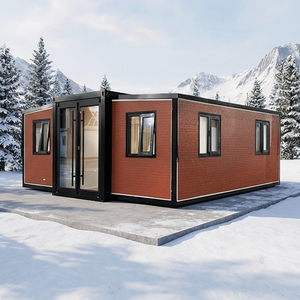
Self-contained solar-ready multi-room modular unit featuring expandable steel chassis, built-in HVAC channels, and low-VOC interior surfaces.
Contact Us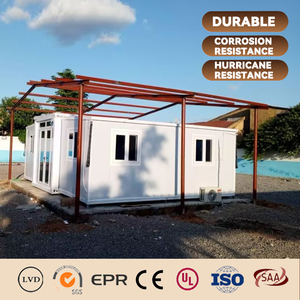
Turnkey relocatable educational container unit equipped with exterior solar-shading veranda, ideal for suburban campus overspill.
Contact Us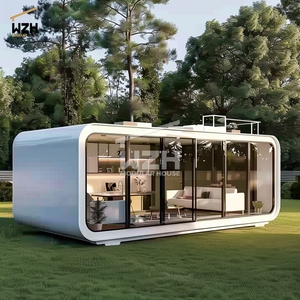
Heavy-duty structural framework incorporating 1 to 5 modular learning zones, complete with fully integrated ADA-compliant sanitary blocks.
Contact Us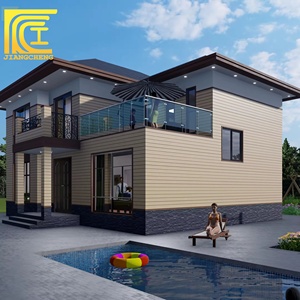
High-aesthetic architectural light-gauge steel structure pre-fitted with complete MEP utilities, optimized for private institutional campuses.
Contact Us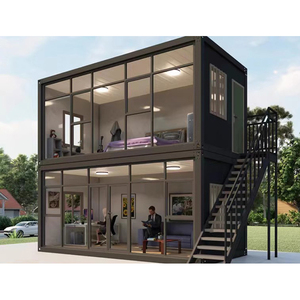
20ft/40ft stackable steel container module featuring high-performance sound isolation (DB-HR standard) and double-glazed thermally broken facades.
Contact Us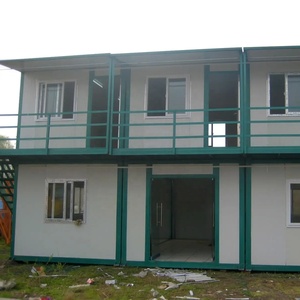
Bi-directional folding module delivering up to 75m² of usable instructional area per unit, engineered for zero-delay commissioning.
Contact Us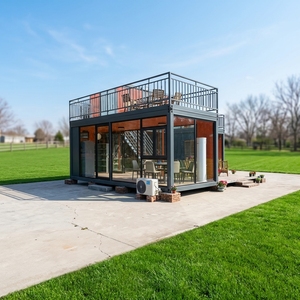
Vertical volumetric layout allowing multi-story classroom stacking to maximize footprint efficiency in high-density urban site plots.
Contact Us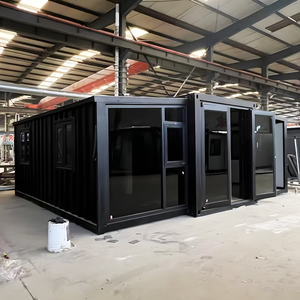
Heavy structural steel frame container unit engineered with integrated chemical-resistant flooring, fume hood ducting, and data networks.
Contact UsThe educational infrastructure sector across Catalonia and the broader Barcelona Metropolitan Area (Àmbit Metropolità de Barcelona) is undergoing a structural transition toward Industrialized Off-Site Construction (MMC - Modern Methods of Construction). Driven by demographic shifts, urgent demands to replace temporary "barracots" (outdated prefabs), and stringent municipal sustainability targets, public institutions and private educational networks are increasingly procuring volumetric modular classroom units.
As leading international manufacturers of volumetric steel-frame modular buildings, our factory facilities engineering teams deliver solutions engineered precisely to comply with Spain's technical building directives—the Código Técnico de la Edificación (CTE)—specifically targeting thermal performance (DB-HE), structural security (DB-SE), acoustic comfort (DB-HR), and fire safety (DB-SI). By shifting 85% to 95% of the construction lifecycle off-site, we mitigate urban site congestion, eliminate weather disruption, and offer institutional buyers 100% cost certainty with accelerated delivery timelines.
Deploying volumetric modular educational structures within Barcelona requires deep contextual awareness of urban density, topography, regional climate conditions, and municipal zoning regulations established by the Ajuntament de Barcelona and the Generalitat de Catalunya.
In dense municipal districts like L'Eixample, Ciutat Vella, and Gràcia, space constraints prevent conventional build expansion. Our modular units are engineered to fit crane radii through tight street grids and be lowered into interior courtyard plots (patis d'illa) or mounted as structural rooftop extensions, causing zero disruption to city traffic.
The fast-growing 22@ Sant Martí technology district demands agile educational infrastructure for specialized vocational academies, coding bootcamps, and university annexes. Volumetric steel modules offer rapid scalability with plug-and-play fiber-optic routing, customizable HVAC, and industrial glass facades matching modern tech architecture.
Outer metropolitan municipalities such as L'Hospitalet de Llobregat, Badalona, and Sant Cugat experience fluctuating student enrollment numbers. Stackable 2-story modular classroom blocks provide flexible operational capacity that can be expanded, relocated, or repurposed as demographic demand shifts across regions.
Unlike standard light-duty shipping containers, our structural classroom units are manufactured from volumetric cold-formed heavy-gauge steel profiles (S355JR grade) combined with high-density thermal and acoustic insulation sandwiches tailored for Mediterranean coastal environments.
| Regulatory Domain | Spanish Technical Standard | Factory Modular Specification | Performance Benefit |
|---|---|---|---|
| Thermal Energy Efficiency | CTE DB-HE (Zona Climática C2 - Barcelona) | PIR/Mineral Wool Core (U-value ≤ 0.22 W/m²K), Low-E double glazing | Calculated 45% lower cooling energy demand in Mediterranean summers |
| Acoustic Isolation | CTE DB-HR (Protección frente al ruido) | Multi-layered plasterboard lining + acoustic membrane (R'w ≥ 45 dB) | Suppression of exterior city noise and adjacent classroom reverberation |
| Fire Safety & Integrity | CTE DB-SI (Seguridad en caso de incendio) | EI 60 to EI 120 fire-rated structural steel frames and non-combustible panels | Full structural integrity guaranteeing safe evacuation protocols |
| Structural Stability | CTE DB-SE (Seguridad Estructural) | CE-marked cold-formed steel frames with structural load calculation up to 3.0 kN/m² | Multi-story stackability up to 4 levels without external skeleton reinforcing |
| Indoor Air Quality (IAQ) | CTE DB-HS (Higiene, Salud y Medio Ambiente) | Mechanical ventilation with double heat-recovery filtration (RITE compliant) | Constant air turnover preventing CO2 buildup and airborne viral load |
All educational modular units produced for the Barcelona market are engineered using Building Information Modeling (BIM Level 2). DfMA protocols ensure that structural tolerances, MEP conduits, door/window openings, and electrical trunking are prefabricated with millimeter precision before shipping, minimizing on-site waste to under 2%.
Procurement directors and public authorities in Catalonia are updating educational infrastructure standards. When sourcing modular classroom factories for Barcelona projects, three macro trends dominate decision-making:
Historically, temporary wooden or low-grade sandwich panel cabins were utilized as emergency fixes. Today, municipal authorities demand permanent industrial modular construction with a 50+ year design life, equal in aesthetics and structural integrity to traditional concrete, but delivered in half the timeframe.
Under the EU Green Deal and local Catalonian decarbonization frameworks, new educational facilities must achieve Nearly Zero Energy Building (NZEB) status. Our modular classroom factories integrate rooftop solar PV arrays, rainwater harvesting interfaces, and 100% recyclable steel framework to meet circular economy mandates.
Supported by robust industrial capital investments and decades of combined volumetric construction expertise, our production facilities deliver unmatched quality assurance for high-volume public tenders and private school developments.
Every module is assembled in climate-controlled production halls under rigid ISO 9001 quality management, eliminating on-site rain damage and drying delays common in traditional Iberian builds.
Located close to major European freight routes and the Port of Barcelona, our supply chain ensures synchronized modular delivery via the AP-7 motorway corridor directly to school grounds during scheduled academic breaks.
Modules arrive on-site pre-fitted with HVAC heat pumps, LED lighting, data cabling, acoustic ceiling tiles, and sanitary plumbing—reducing on-site trade labor requirements by up to 80%.
Addressing key regulatory, logistical, and structural considerations for local architectural buyers and institutional developers.
Yes. All modular units supplied to the Barcelona market are engineered specifically to comply with the Código Técnico de la Edificación (CTE). Factory designs are tailored to meet structural (DB-SE), fire protection (DB-SI), acoustic isolation (DB-HR), and strict thermal efficiency (DB-HE) parameters required for Zone C2 (Barcelona coastal region).
While site foundation works are prepared locally, factory manufacturing of a 6-classroom volumetric block typically takes 6 to 8 weeks. Transport and on-site crane assembly in Barcelona are completed within 3 to 5 days, followed by 2 weeks of final utility interconnects and commissioning. Total delivery time is approximately 50% faster than traditional masonry.
Units are manufactured with high thermal mass insulation cores (sandwich PIR panels or mineral wool), solar-reflective roof coatings, and thermally broken aluminum windows with Low-E double glazing. Additionally, integrated continuous heat-recovery ventilation (RITE compliant) and VRF inverter heat pumps maintain internal temperature stability with minimum electrical consumption.
Permanent modular educational facilities require the standard major building license (Llicència d'obres majors) issued by the local municipal council (e.g., Ajuntament de Barcelona). Because our modular engineering provides complete technical memory documentation, structural calculations, and CTE compliance certificates, local architects can submit our plans directly for expedited municipal approval.
Absolutely. Our heavy steel structural frames (S355JR) are engineered to support multi-story configurations up to 4 levels without requiring additional external structural exoskeletons. This vertical capability is essential for tight urban footprints across Barcelona's metropolitan districts.
Our volumetric steel-frame modular structures are designed for permanent use with an intended service lifecycle of over 50 years, matching conventional concrete structures. Frames undergo advanced anti-corrosion hot-dip galvanization and protective coating suited for saline coastal atmospheric conditions.
Consult with our off-site engineering specialists to request DfMA technical drawings, CTE compliance documentation, or detailed price estimations for your school site.
