Discover latest news, architectural innovations, and expert perspectives on modular steel-frame construction across Europe.
Factory-built volumetric residential units equipped with structural cold-break insulation, integrated HVAC, and rapid plug-and-play assembly.
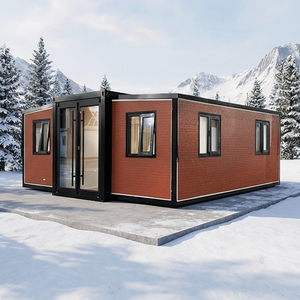
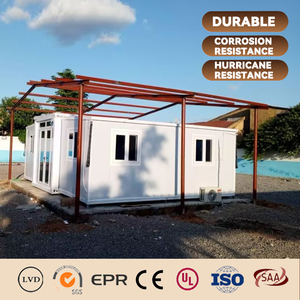
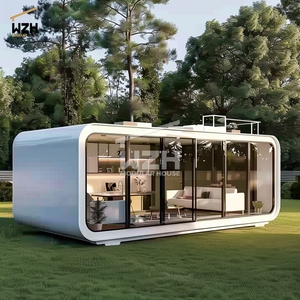
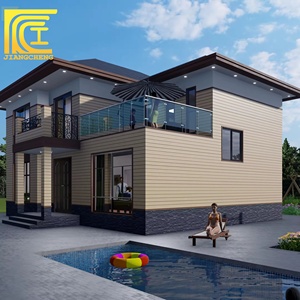
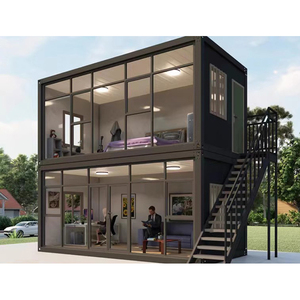
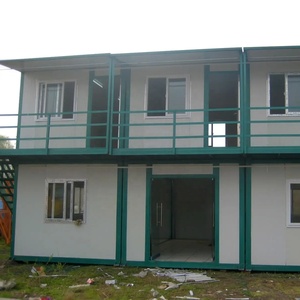
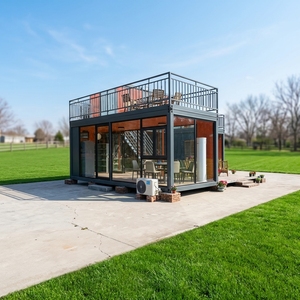
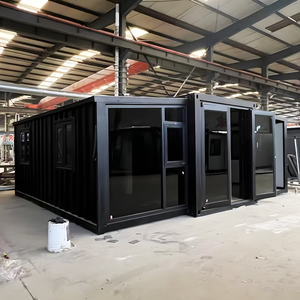
Building in the Greater Moscow Metropolitan Area and across Central Russia demands specialized structural engineering, strict environmental thermal retention, and compliance with rigorous local building standards (such as SNiP and GOST). As an established international manufacturer and supplier of volumetric steel-frame modular housing, our engineering framework solves the triple challenge facing urban and suburban developers: cold-bridge mitigation, extreme winter weather assembly speed, and life-cycle energy consumption minimization.
Conventional on-site wet construction in Moscow experiences severe productivity drops during the winter months (November through March), where sub-zero temperatures elevate heating costs, delay concrete curing, and increase labor safety risks. Our factory-controlled Design for Manufacture and Assembly (DfMA) shifts up to 90% of the construction process off-site into precision-controlled industrial facilities. This white paper outlines the core physics, regulatory compliance, and thermal envelope architecture of our modular housing systems optimized for suppliers serving the Moscow market.
Utilizing high-tensile Cold-Formed Steel (CFS) and heavy structural steel chassis engineered to support heavy snow loads (up to 240 kg/m² under Moscow Climatic Region III requirements) without deflection.
Polyisocyanurate (PIR) core insulation combined with high-density basalt mineral wool eliminates cold bridges. Outfitted with triple-pane argon-filled Low-E glazing systems.
Factory-integrated MEP (Mechanical, Electrical, Plumbing) conduits pre-tested under high pressure. Enables seamless hook-up to Moscow municipal district heating networks or heat pumps.
The primary point of failure for modular structures operating in severe northern frost environments is thermal bridging along steel frame joints and wall-to-floor module interfaces. When unmitigated, moisture condenses at the dew point inside the structural cavity, resulting in structural degradation, mold accumulation, and rapid heat dissipation.
To overcome this, our modular structures implement a multi-tiered thermal break methodology:
| Building Component | Standard Modular Specification | Moscow Northern Winter Spec | Thermal Performance (U-Value) |
|---|---|---|---|
| External Walls | 100mm Mineral Wool + Steel Frame | 150mm PIR + 100mm Basalt Wool Layer | 0.12 – 0.14 W/m²K |
| Roof / Ceiling Structure | 150mm Glass Wool Insulation | 200mm PIR Sandwich + Dual Vapor Barrier | 0.10 – 0.11 W/m²K |
| Fenestration (Windows) | Double-pane Argon Glass | Triple-pane Low-E Argon (4Ar-16-4-16-4Ar) | 0.75 W/m²K |
| Subfloor Insulation | 80mm Expanded Polystyrene (EPS) | 120mm Extruded Polystyrene (XPS) + Steel Shield | 0.13 W/m²K |
Moscow and its surrounding oblast experience sustained heavy snowfall events throughout winter, coupled with potential ground heave due to deep freezing soil layers. Our factory-produced modular container and light-steel villa products are structurally engineered in accordance with GOST 27751-2014 (Reliability of Structures) and SNiP 2.01.07-85 (Loads and Actions).
Key structural enhancements include:
Relying on state-of-the-art European manufacturing protocols, every modular dwelling unit undergoes rigorous factory quality audits before dispatch. By integrating standard operational procedures aligned with ISO 9001 (Quality Management System), ISO 14001 (Environmental Management), and ISO 50001 (Energy Management), we deliver unparalleled consistency and durability.
The manufacturing sequence minimizes site-bound construction noise, environmental dust, and material wastage by over 60%. Pre-installed electrical wiring conduits follow GOST R 50571 standards, while plumbing assemblies are pressure-tested up to 10 Bar inside the factory setting to eliminate site leaks during frozen soil conditions.
Tailored architectural modular configurations tailored to specific urban, suburban, and commercial land-use dynamics in Central Russia.
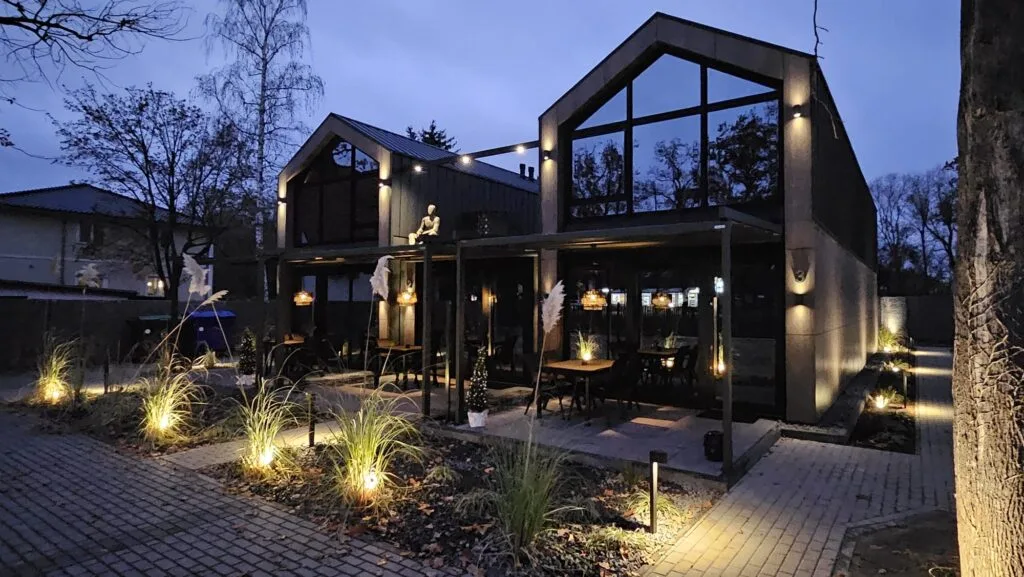
Ideal for rapid urban renewal projects, emergency municipal housing, and residential developments in dense city zones like Moscow Central Administrative District (CAD) or New Moscow (Novomoskovsky). Prefabricated 20ft and 40ft modular stacks provide high-density living quarters with minimal on-site footprint and noise pollution during assembly.
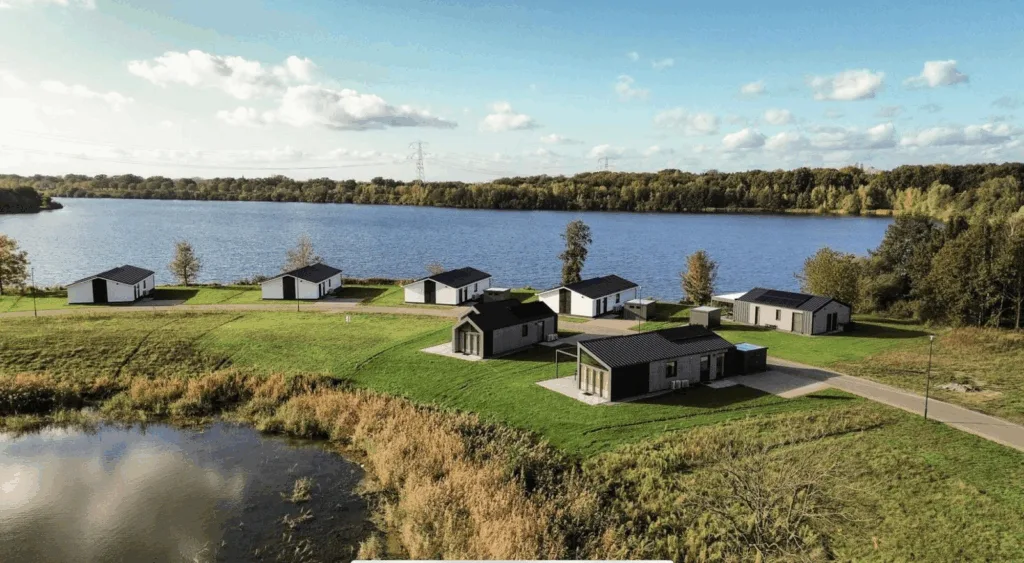
Designed for upscale suburban developments along Novorizhskoye, Rublyovo-Uspenskoye, and Dmitrovskoye expressways. Expandable container units and light-steel villas deliver luxury eco-retreats, glamping parks, and private suburban homes with panoramic triple-glazed glass, solar integration, and low-energy heating systems.
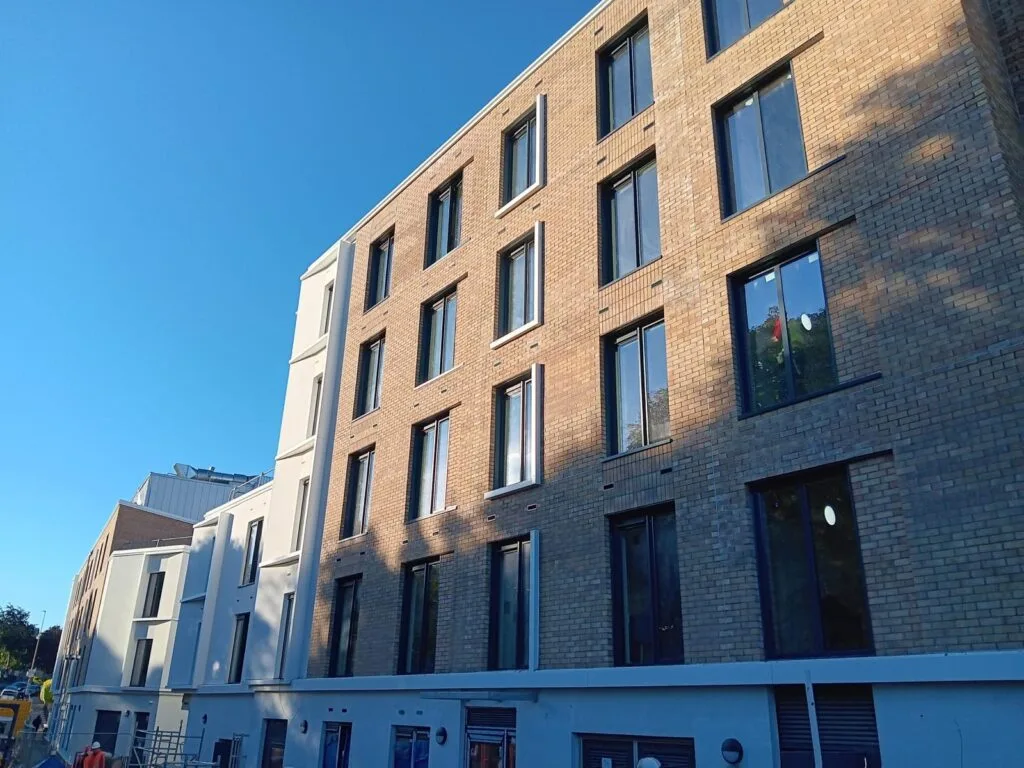
Moscow hosts Russia’s largest academic institutions (MSU, MIPT, HSE, Bauman BSTU). Modular volumetric blocks offer scalable student living units equipped with soundproof partition walls (STC rating > 55 dB), compact kitchens, and study alcoves, constructed within short summer breaks prior to the academic year.
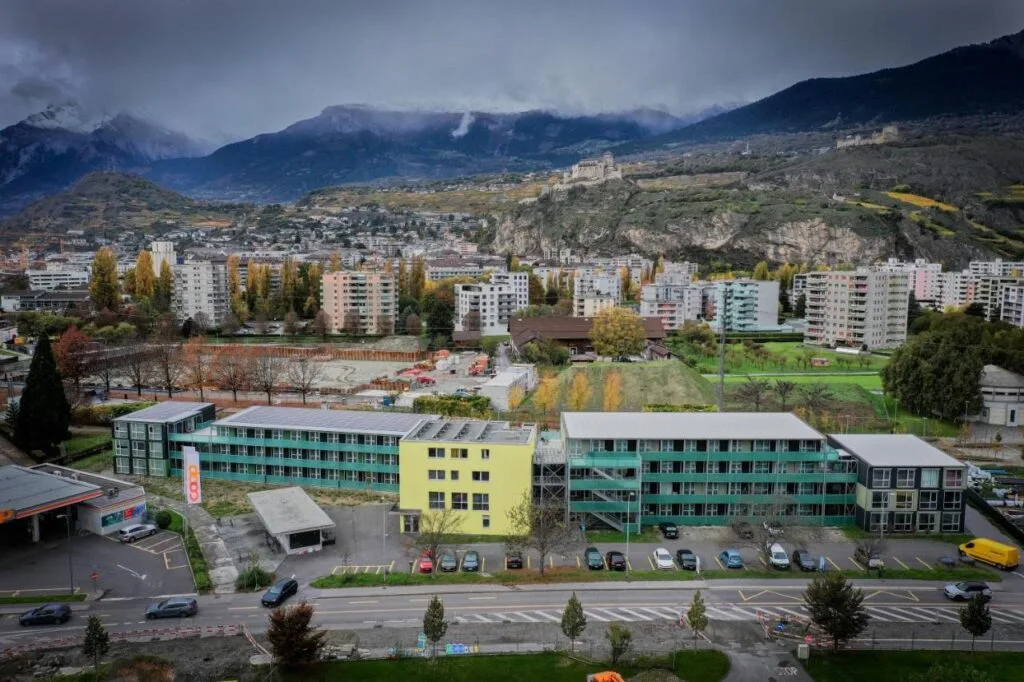
With massive logistical hubs expanding around Moscow Ring Road (MKAD) and Central Ring Road (A107/A108), our relocatable, expandable container houses provide comfortable, insulated, long-term living facilities for administrative staff and logistics workforces operating 24/7.
The construction landscape in Greater Moscow is undergoing a rapid transition toward industrial prefabrication and modern methods of construction (MMC). Key structural trends driving the demand for modular suppliers serving this market include:
The traditional Russian building season is limited by freezing temperatures. Developers in Moscow are increasingly adopting volumetric modular steel framing because it enables site groundworks (foundations, utilities) and factory module fabrication to occur simultaneously. This parallel workflow reduces project delivery timelines by up to 50% to 70%, enabling revenue generation before winter sets in.
Russian municipal regulations have progressively updated operational energy rating requirements for new residential developments. Buildings must achieve energy efficiency classes of A, A+, or A++. Our volumetric modules incorporate high-density PIR cores and heat recovery ventilation (HRV) units that recapture up to 88% of ambient indoor heat, meeting and exceeding local energy performance targets.
Strict ecological zoning regulations around Moscow Oblast's protective forest belts require non-invasive foundation systems (such as screw-piles or insulated raft slabs). Modular housing units exert lighter dead-loads on soil structures, allowing developers to preserve local typography and flora while constructing compliant, high-end residential communities.
Combining decades of modular manufacturing heritage with standardized steel-frame volumetric technology. Backed by certified management systems and substantial institutional investment, we offer complete turn-key support for B2B developers, general contractors, and government procurement agencies.
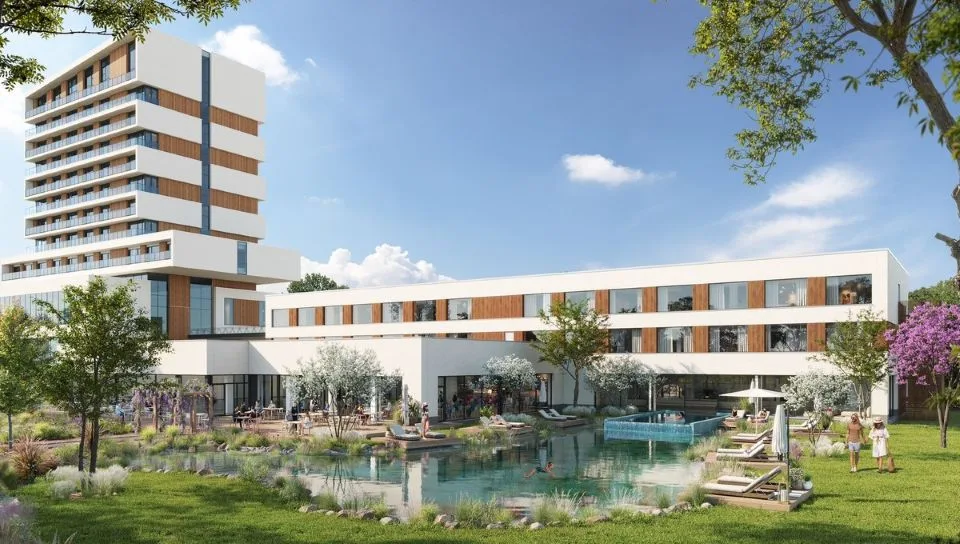
Essential technical, logistical, and legal guidance for procurement managers sourcing modular structures for Russia's Central Federal District.
Whether you are planning a multi-story urban apartment complex, a suburban modular village in Moscow Oblast, or a rapid-deployment workforce accommodation center, our team provides complete design, engineering, thermal calculation, and factory prefabrication services tailored to your exact land parcel requirements.
Contact our technical engineering sales office today to request structural load calculations, thermal performance modeling, or project quotation estimates.
