Discover latest news, architectural innovations, and expert perspectives on modular steel-frame construction across Europe.
Explore our global export-grade prefabricated volumetric units, engineered with structural timber, light steel framing, and integrated solar infrastructure tailored for rapid deployment across Bangladeshi urban and coastal sectors.
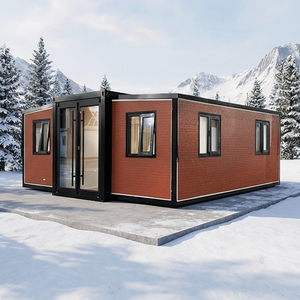
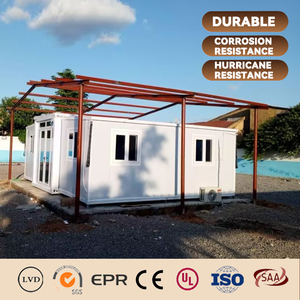
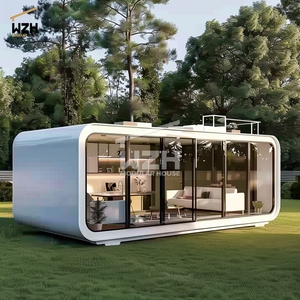
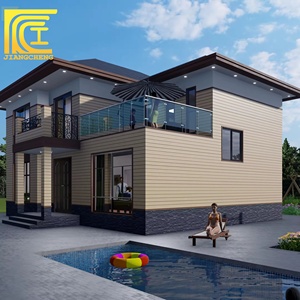
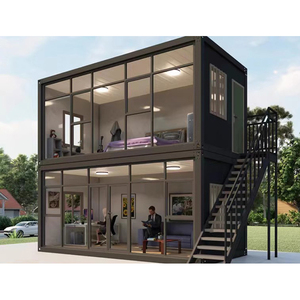
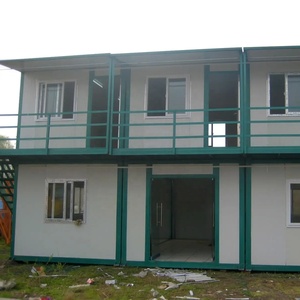
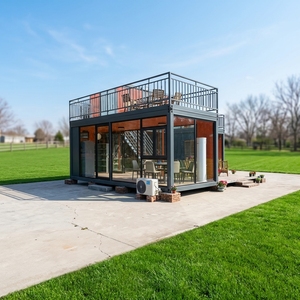
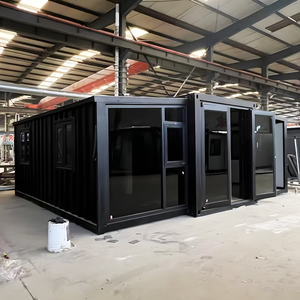
An in-depth structural analysis of off-site mass timber manufacturing, hygrothermal resilience, carbon sequestration, and project lifecycle risk reduction for South Asian commercial, residential, and resort developments.
Bangladesh is undergoing one of the most intense urban and economic transformations in South Asia. With urban centers like Dhaka and Chittagong experiencing unprecedented population density, traditional reinforced concrete (RCC) construction faces mounting bottlenecks—including prolonged site timelines, high embodied carbon, severe logistics congestion, and susceptibility to quality variance due to monsoon climate constraints. As an international manufacturing leader in volumetric modular buildings, our factory direct engineering supplies Cross Laminated Timber (CLT) and hybrid steel-CLT volumetric building modules directly serving the Bangladeshi market through the Chittagong and Mongla deep-water seaports.
Cross-Laminated Timber represents a technological quantum leap over conventional brick-and-mortar masonry. Manufactured by layering kiln-dried timber boards at right angles (90 degrees) and bonding them under massive hydraulic pressure with structural polyurethane adhesives, CLT panelization provides an exceptional strength-to-weight ratio. When pre-assembled off-site into volumetric 3D modules complete with mechanical, electrical, and plumbing (MEP) rough-ins, sanitary cores, and internal architectural finishes, CLT modular systems reduce total project completion schedules by 30% to 50% compared to traditional on-site RCC frame construction.
| Engineering Metric | Factory Volumetric CLT Systems | Conventional Concrete (RCC) | Standard Structural Steel Pods |
|---|---|---|---|
| Structural Self-Weight | Lightweight (~400–500 kg/m³) — Reduces pile foundations on soft delta soil | Heavy (~2400 kg/m³) — Requires deep, expensive piling | Medium (~1200 kg/m³) — Requires rigid foundation anchoring |
| Construction Speed (Superstructure) | Up to 4 floors per week (Parallel factory & site prep) | Sequential wet-curing (Slow, weather dependent) | Moderate (Site frame welding & assembly needed) |
| Thermal Conductivity (U-Value) | Low (0.13 W/m²K) — High natural insulation, lower HVAC load | High (2.3 W/m²K) — High thermal bridging, high power cost | Extremely High — Requires thick external thermal insulation |
| Seismic Performance (BNBC Code) | High ductility & energy dissipation; flexible structural joints | Brittle behavior under extreme shear stress | Ductile, but joint shear stress requires extensive bracing |
| Embodied Carbon Impact | Negative / Sequestered Carbon (~-750 kg CO₂/m³) | High Net Emitter (~+350 kg CO₂/m³) | High Net Emitter (~+1800 kg CO₂/ton) |
Urban development in Dhaka (Gulshan, Banani, Purbachal) and Chittagong faces intense space constraints, heavy traffic bottlenecks, and strict local height/load limitations on soft alluvial silt foundations. Volumetric CLT modules offer a lightweight alternative that dramatically reduces foundation loads, enabling multi-story vertical extensions and rapid rooftop additions without overloading existing piles.
Off-site modular fabrication means zero raw material storage on congested city streets, eliminating urban traffic blockage and noise pollution while speeding up handover for commercial offices, co-living units, and private residential developments.
The coastal belt of Cox’s Bazar, Saint Martin’s Island, and Kuakata demands environmentally sensitive, low-impact hospitality structures. Traditional heavy concrete degrades natural soil hydrology and causes beach erosion. CLT modular resort suites provide breathtaking exposed mass-timber interiors, warm natural aesthetics, and minimal site excavation.
Elevated pile mounting systems protect timber modules from seasonal tidal surges and storm water inundation, while marine-grade factory coatings withstand high saline atmospheric corrosion.
In Bangladesh's expanding Export Processing Zones (EPZs) and Special Economic Zones (SEZs), international tenants and garment exporters (RMG sector) require rapid-assembly administrative headquarters, testing laboratories, and high-density executive dormitories complying with international green building standards (LEED / BREEAM).
Pre-engineered CLT volumetric units achieve high thermal efficiency, significantly cutting operational air conditioning energy bills in hot, humid South Asian summer months.
Deltaic Bangladesh is regularly impacted by monsoons and tropical cyclones. Government and non-governmental entities require rapidly deployable, heavy-duty structural shelters that can serve as emergency medical centers, school facilities, or community refuge hubs following severe flood events.
Flat-packed or expandable modular CLT units can be shipped via river barges directly to remote riverine islands (chars) and fully erected in a matter of hours with minimal equipment.
The updated Bangladesh National Building Code (BNBC) mandates strict compliance for seismic resistance (Zones 1 through 4) and wind load engineering (up to 260 km/h in coastal belts). Modern CLT modular design leverages volumetric structural rigidity and engineered steel connections to satisfy BNBC horizontal force parameters with high factors of safety.
Top Bangladeshi real estate developers and multinational occupiers are rapidly shifting toward ESG (Environmental, Social, and Governance) targets. CLT sequesters approximately 1 ton of CO₂ per cubic meter of timber, offering a carbon-negative structural skeleton that drastically drops whole-life embodied carbon metrics.
By adopting Design for Manufacture and Assembly (DfMA) protocols in our central factory, every timber panel, cut-out, and structural notch is executed with sub-millimeter precision via 5-axis CNC machining. On-site errors, material waste, and labor re-work are effectively reduced to zero.
A primary technical evaluation point for importing Mass Timber and CLT into Bangladesh is long-term moisture management and termite defense. Our factory incorporates a multi-layer defense matrix:
1. Borate Pressure Impregnation: All structural timber laminations undergo vacuum-pressure treatment with non-toxic inorganic borates (DOT), rendering the timber immune to subterranean termites (Coptotermes gestroi) and wood-boring beetles.
2. Vapor-Permeable Weather Membranes: Exterior panels are sealed with high-performance hydrophobic, vapor-permeable membranes that block wind-driven monsoon rains while allowing internal structural moisture to escape.
3. Raised Deck Foundation Details: Integrated steel chassis interfaces prevent direct ground-to-timber contact, ensuring zero capillary rise of groundwater into the structural mass timber elements.
Backing global developers, EPC contractors, and government ministries with world-class off-site timber manufacturing infrastructure.
We specialize in export-ready volumetric packing. Modules are dimensioned specifically to conform to ISO standard High-Cube 40ft container dimensions or flat-pack breakout configurations, ensuring seamless transit via maritime freight directly to Chittagong Port (CTG) or Mongla Port with optimized ocean freight tariffs.
Our manufacturing facilities operate under strict ISO 9001 (Quality Assurance), ISO 14001 (Environmental Management), and ISO 50001 (Energy Management) protocols. Every CLT panel is stress-tested, grade-marked (C24/C30 structural timber), and certified for structural glue-line integrity according to European and North American standards.
Our in-house structural engineering unit collaborates directly with Bangladeshi architects, project consultants, and developers. We supply complete 3D Building Information Modeling (BIM - LOD 400) files, foundation load schedules, and step-by-step mechanical installation guides for rapid local assembly.
Technical, logistical, and customs guidance for developers importing modular CLT buildings into Bangladesh.
Connect directly with our engineering and export team. Get customized BIM pricing, structural feasibility studies, and factory delivery schedules for your commercial, hotel, or residential mass timber development.
