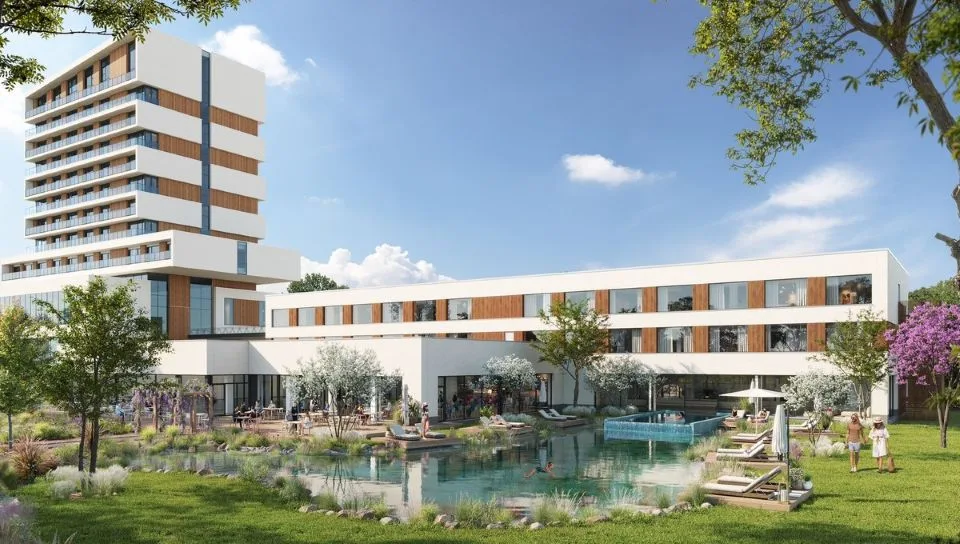
Discover latest news, architectural innovations, and expert perspectives on modular steel-frame construction across Europe.
Engineered to Eurocode 3 and compliant with Israeli Standard IS 413. Fully insulated volumetric modules designed for rapid deployment, climate resilience, and thermal efficiency.
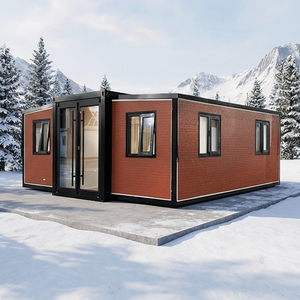 CE CERTIFIED
Designed with fold-out volumetric wings, integrated solar-ready roof mounts, and pre-fitted plumbing. Ideal for eco-resorts and fast-assembly residential units across the Negev and Galilee regions.
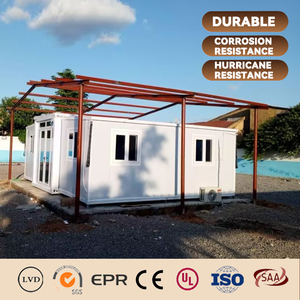 RENTAL READY
Equipped with a foldable perimeter veranda, dual-glazed thermal windows, and high-durability internal paneling. Optimized for rental commercial parks and temporary hospitality sites in Israel.
 FULL INTERIOR
Heavy-duty detachable modular unit optimized for multi-family residential setups. Features complete sanitary fittings, electrical distribution boards, and fire-rated sandwich wall panels.
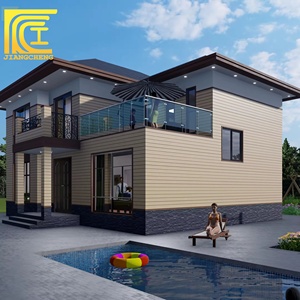 LUXURY VILLA
Combines aesthetic architectural cladding with cold-formed light gauge steel framing (LGSF). Factory-preinstalled conduit piping, water systems, and superior acoustic decoupling layers.
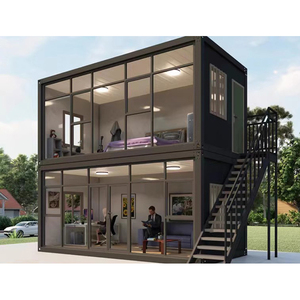 HIGH END
Premium modern aesthetic engineered for high-density infill or private estates. Highly thermal-efficient envelope meeting SI 1045 energy standards, featuring panoramic Low-E glass facades.
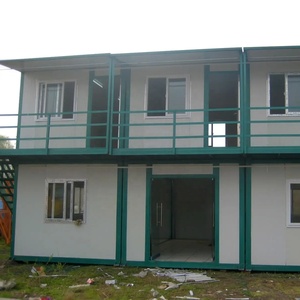 FAST ASSEMBLY
Rapidly expandable layout offering maximized living area within a compact shipping envelope. Engineered to withstand high ambient desert temperatures and coastal humidity.
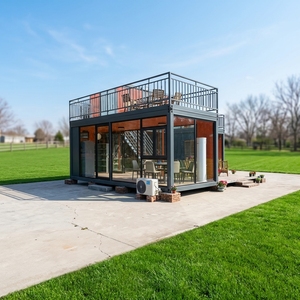 TWO STORY
Vertical volumetric configuration maximizing ground coverage. Built with structural steel interlocking corners, making it stackable and suitable for student living or urban micro-housing.
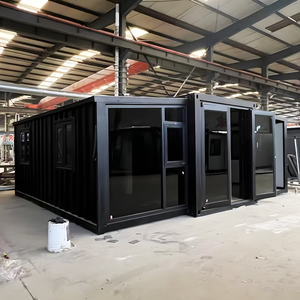 CUSTOM SPEC
Fully customizable internal partition walls, luxury finishes, and integrated smart energy management systems. Perfect for long-term residential developments and agricultural Kibbutz housing expansions.
The Israeli housing and commercial construction landscape is experiencing a paradigm shift driven by high urbanization, land constraints, rising construction costs, and the acute need for rapid residential delivery. Off-site volumetric prefabrication has emerged as a key strategic solution for developers, municipalities, and private landowners across Israel—from the dense Gush Dan metropolitan area to expanding communities in the Negev and Galilee.
Concurrently, Israel’s stringent structural requirements, particularly regarding seismic isolation (Israeli Standard IS 413), thermal insulation performance (SI 1045), and rapid deployment capabilities, demand an advanced approach to manufactured housing. CE Certified volumetric steel-frame micro homes fulfill these mandates by providing factory-controlled precision engineering that minimizes on-site labor dependencies while maintaining high structural performance.
In high-density hubs like Tel Aviv, Ramat Gan, and Jerusalem, volumetric micro modules provide lightweight structural solutions for rooftop additions (TAMA 38 / Renewal projects) where traditional concrete pouring is logistically impossible.
From the humid Mediterranean coastline to the extreme dry heat of Eilat and the Dead Sea basin, high-performance polyisocyanurate (PIR) and Rockwool core sandwich panels ensure low thermal transmittance (U-values) and HVAC efficiency.
Modular off-site construction adapted to Israel’s unique geographic, climatic, and socio-economic requirements.
Kibbutzim and Moshavim across the Jezreel Valley and Southern Negev require rapid, scalable housing expansions for agricultural workers, young families, and eco-tourists. Micro container homes and light-steel villas offer immediate, plug-and-play living solutions that preserve surrounding agricultural lands.
The booming hospitality sector around Mizpe Ramon, the Dead Sea, and the Sea of Galilee demands architectural structures that integrate seamlessly with natural surroundings while offering luxury amenities. Modular micro homes allow hotel operators to add high-ROI keys in months rather than years.
Academic institutions in Haifa, Beersheba, and Ariel face housing shortages. Volumetric micro homes provide stackable, high-density student accommodations that conform strictly to European CE safety guidelines and Israeli fire safety codes (SI 921).
Evaluating off-site CE Certified volumetric steel-frame micro homes against conventional on-site concrete building methods in the Israeli market.
| Evaluation Parameter | Volumetric Prefab Micro Homes | Traditional Concrete (Bton) Construction | Strategic Benefit for Israeli Developer |
|---|---|---|---|
| Construction Speed | 2 to 4 Months (Factory + Assembly) | 12 to 18 Months | 60-70% Faster Time-to-Market & Rental Revenue |
| Seismic Resistance (IS 413) | High Ductility Light-Gauge Steel Frame | Rigid Concrete (Requires heavy rebar) | Superior dynamic load distribution during seismic events |
| Thermal Insulation (SI 1045) | Integrated PIR/Rockwool Panels (U < 0.24 W/m²K) | Block & Plaster (Requires extra insulation layer) | Up to 40% Reduction in Summer AC Power Costs |
| Budget & Cost Predictability | Fixed Factory Price (No On-site Overruns) | High Risk of Labor & Material Inflation | Complete Financial Certainty for Investors & Banks |
| On-site Waste & Noise | 90% Reduced On-site Waste / Low Noise | Heavy Environmental & Noise Impact | Ideal for TAMA 38 and Urban Densification Sites |
| Port Logistics (Ashdod/Haifa) | Standard ISO Shipping Container Dimensions | Bulk Freight raw material import | Seamless intermodal container transport & flat-pack delivery |
Our manufacturing matrix operates under rigorous international quality management systems, integrating Design for Manufacture and Assembly (DfMA) and 3D Building Information Modeling (BIM). This off-site approach guarantees that every volumetric steel module shipped to Israel fulfills exacting architectural and structural tolerances.
Strict Quality Management controlling raw steel selection (Q235B/Q355B galvanized), automated welding precision, and structural load testing before shipment.
Certified Environmental and Energy Management systems ensuring sustainable manufacturing processes, zero hazardous factory runoff, and minimal carbon footprint.
Full CE Marking under EN 1090-1 execution of steel structures, guaranteeing structural integrity, fire rating, and mechanical resistance compliant with European and Israeli regulations.
Addressing regulatory, structural, logistical, and environmental queries regarding prefabricated micro homes in Israel.
Yes. All micro homes manufactured by our factory carry CE Certification and comply with Eurocode standards, which directly align with the requirements of local Israeli planning commissions (Vadat Biniyan). Standard engineering documentation, including load calculations, structural steel specs, fire safety ratings (SI 921), and energy efficiency profiles (SI 1045), is provided to assist your licensed Israeli architect or engineer in obtaining local building permits (Haiter Biniyan).
Our micro homes feature high-performance thermal envelopes using high-density Polyisocyanurate (PIR) or Rockwool sandwich panels with thermal break steel stud design. Windows are fitted with double-glazed Low-E glass filled with Argon gas, reducing solar heat gain coefficient (SHGC). This ensures compliance with Israeli Energy Standard SI 1045, maintaining comfortable internal temperatures while significantly reducing air conditioning electricity costs in regions like the Negev, Eilat, and the Jordan Valley.
Yes. In Israel, residential buildings require a reinforced security room (Mamad) according to Home Front Command (Pikud HaOref) guidelines. Prefabricated micro homes can be engineered to connect directly to an on-site cast-in-place concrete Mamad core, or integrated with precast certified Mamad units. Our engineering team collaborates with local Israeli structural engineers to ensure seamless architectural and structural coupling between the steel modular unit and the concrete security core.
Our modular units are engineered to standard ISO shipping container dimensions (20ft, 40ft, or flat-pack expandable units). They are shipped directly via ocean container vessels to Haifa Port or Ashdod Port. All product documentation, including CE declarations of conformity, commercial invoices, packing lists, and steel mill test certificates, are issued prior to vessel departure to facilitate swift customs clearance (Meches) through your local customs broker.
Steel-frame volumetric construction provides exceptional ductility and energy dissipation during earthquake events. Unlike heavy, brittle concrete blocks, light-gauge steel frames flex without catastrophic structural collapse. Our volumetric structural steel frames are designed to withstand earthquake accelerations well exceeding standard requirements under Israeli Standard IS 413 (Seismic Design of Structures), making them ideal for regions along the Great Rift Valley, such as Tiberias, Safed, and the Dead Sea.
All structural steel members undergo heavy hot-dip galvanization (minimum 275 g/m² zinc coating) or fluorocarbon anti-corrosion marine paint coating. This prevents oxidation from airborne Mediterranean salt spray in coastal regions such as Tel Aviv, Netanya, and Ashkelon. With standard routine exterior maintenance, the structural design life of our steel-frame micro homes exceeds 50 years.
Typical factory production time ranges between 30 to 50 days, depending on unit quantity and interior customization level. Ocean transit from factory to Ashdod or Haifa Port takes approximately 20 to 35 days. On-site installation and crane positioning take only 1 to 3 days, reducing total project delivery time by up to 70% compared to traditional on-site construction.
Partner with a trusted, CE-certified manufacturer delivering volumetric modular excellence. Contact our engineering team today for technical catalogs, structural calculations, and direct factory pricing.