Discover latest news, architectural innovations, and expert perspectives on modular steel-frame construction across Europe.
Factory-engineered modular container systems, light-steel structural frames, and off-grid living modules manufactured for global deployment.
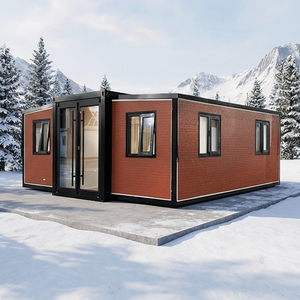
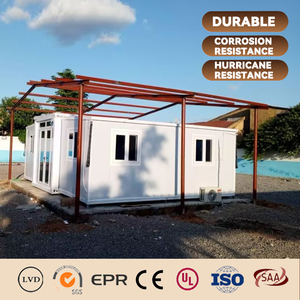
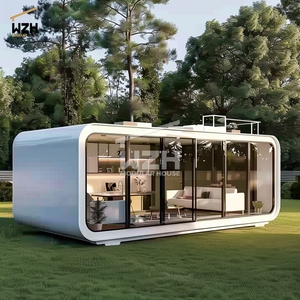
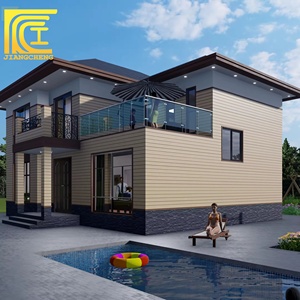
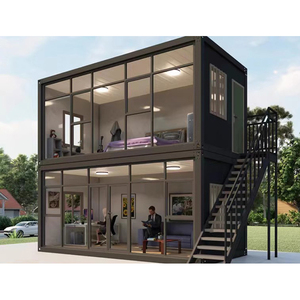
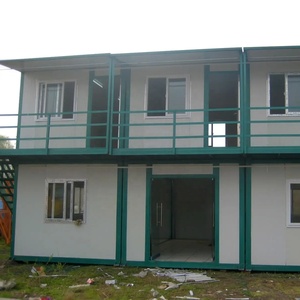
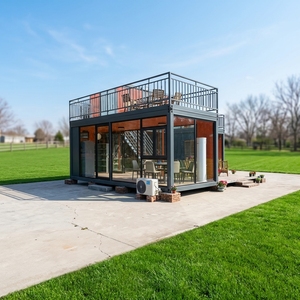
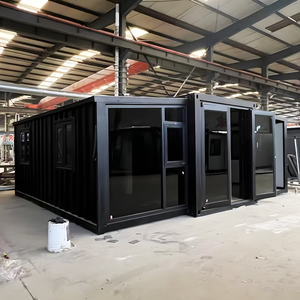
The global construction industry is undergoing a structural transformation driven by stringent carbon mitigation mandates, accelerating raw material costs, and severe on-site labor deficits. As international developers, institutional investors, and municipal authorities strive to align with global ESG targets, Zero Energy Modular Buildings (ZEMBs)—also recognized as Net-Zero Energy Buildings (NZEB)—have transitioned from experimental pilot projects to mainstream real estate assets. China's modular manufacturing ecosystem stands at the apex of this evolution, offering unprecedented volumetric precision, advanced thermal envelope integration, and mass-market scalability for global exporters and project procurement leaders.
Core Technical Definition: A Zero Energy Modular Building combines high-performance Design for Manufacture and Assembly (DfMA) off-site construction with building-integrated photovoltaics (BIPV), high-R insulation envelopes, thermal bridge mitigation, and heat recovery ventilation (HRV) systems to generate as much renewable energy on-site as the structure consumes over an annual cycle.
Achieving net-zero performance within modular steel-frame structures requires an integrated systems-engineering framework rather than ad-hoc equipment installation. Off-site manufacturing facilitates extreme oversight during assembly, eliminating common structural defects found in traditional site-built structures.
Factory-installed polyurethane (PU), rockwool, or aerogel insulation cores achieved within 150mm to 200mm wall profiles, yielding U-values down to 0.11 W/m²K without compromising internal floor dimensions.
Precision structural steel frames utilize elastomeric structural thermal breaks (GPO-3 and structural polyamide isolators) between structural connections, stopping conductive heat loss dead in its tracks.
Seamless mounting of low-weight monocrystalline solar panels or glass-substrate BIPV elements connected directly to integrated LiFePO4 battery energy storage systems (BESS).
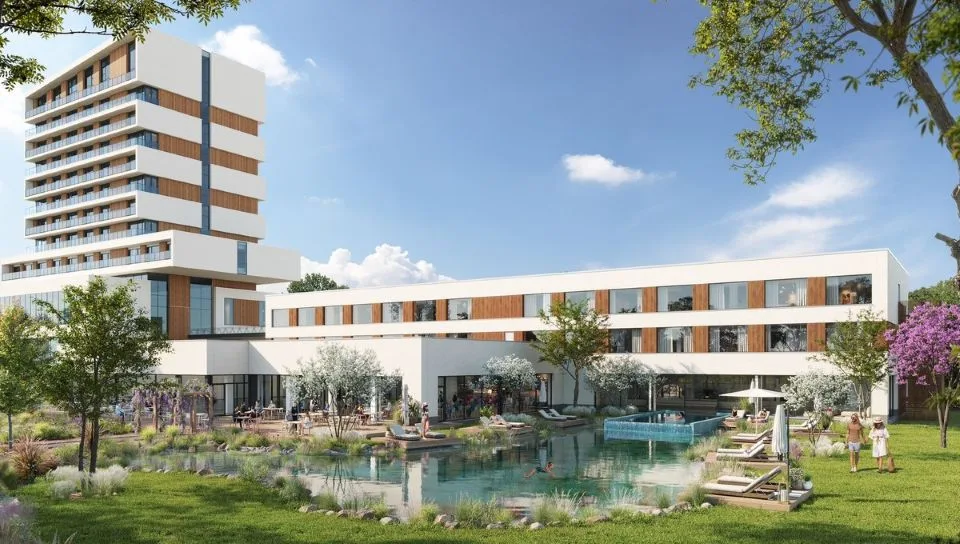
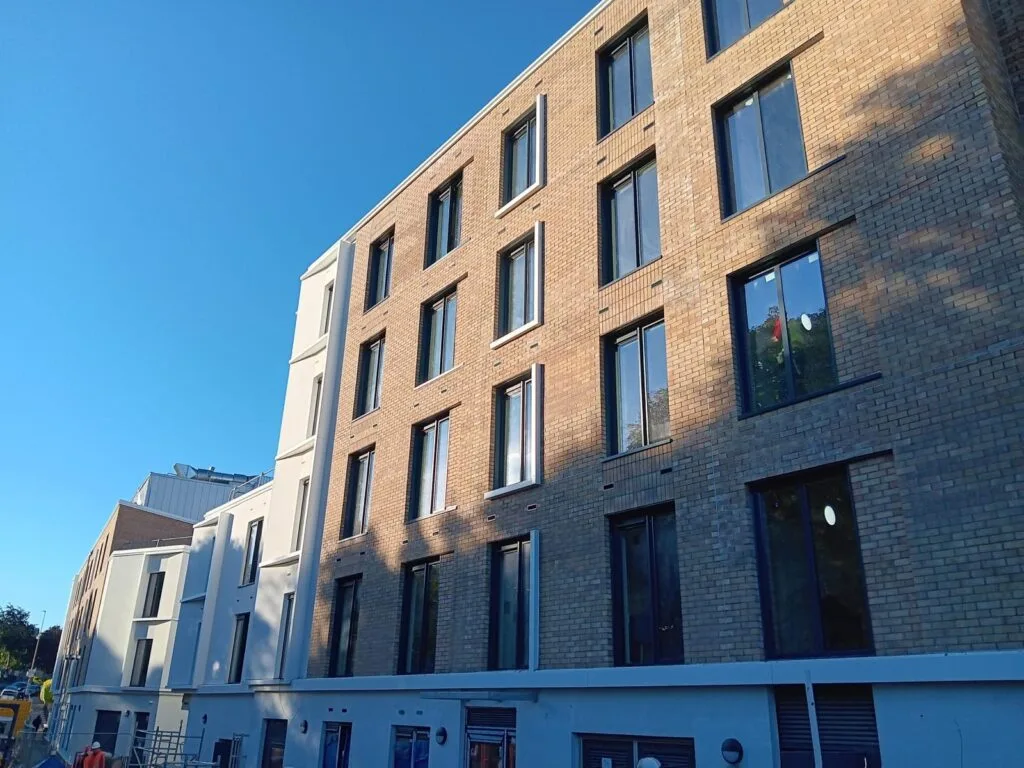
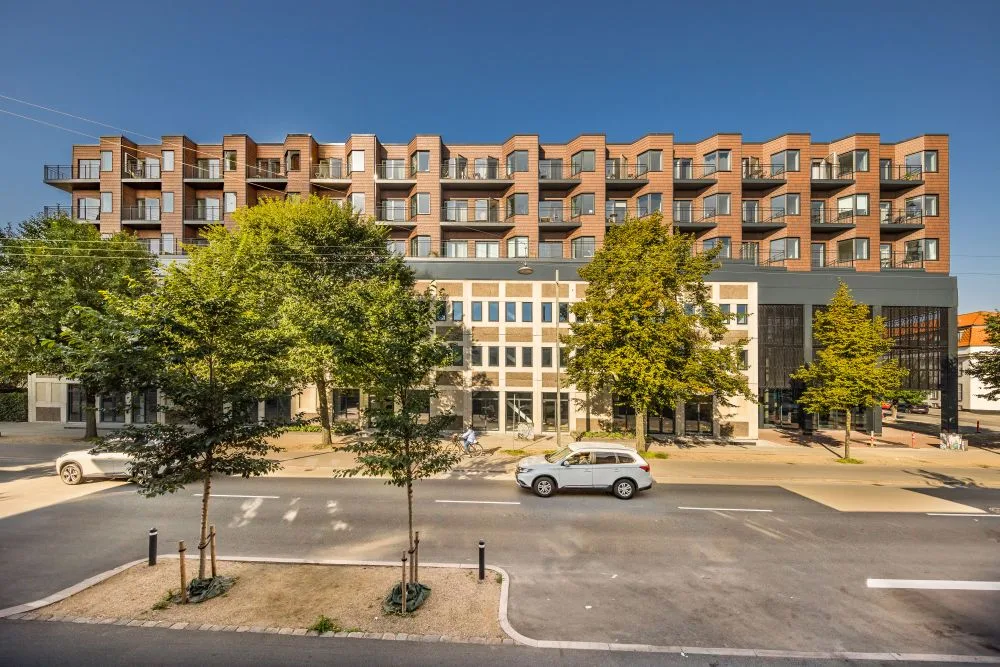
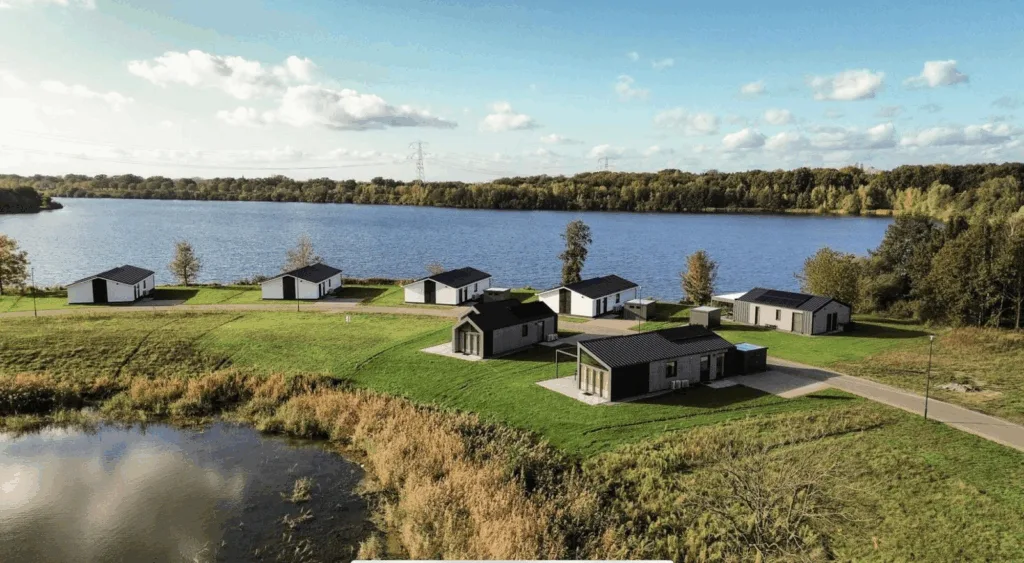
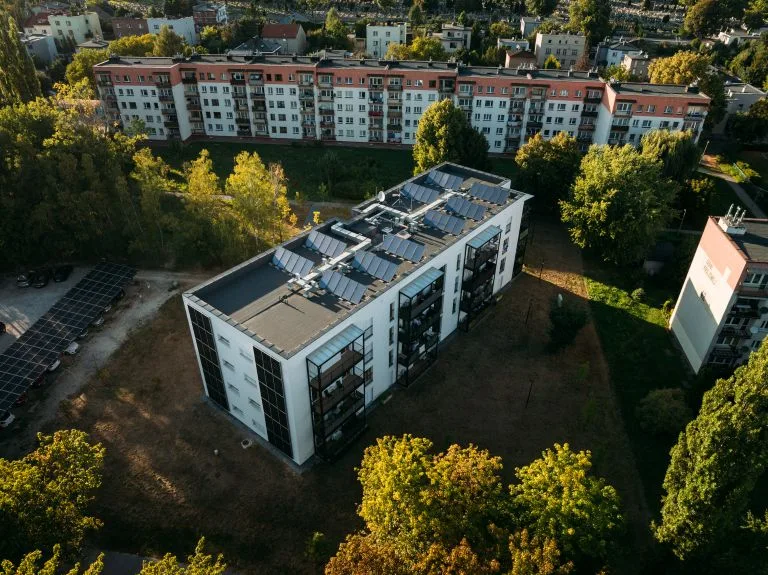
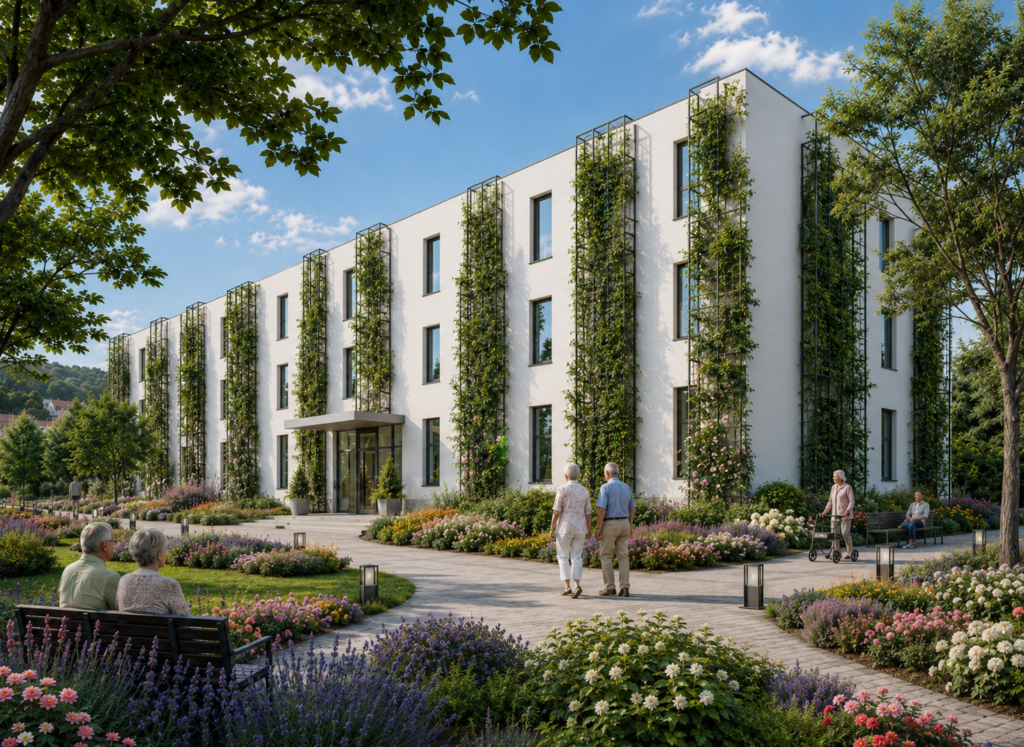
China's leading modular suppliers engineer customizable modular platforms adapted to diverse global occupancy classes. Below are operational sector implementations combining volumetric modular speed with low carbon footprints:
As international energy performance standards tighten—such as the European Union’s Energy Performance of Buildings Directive (EPBD) revision and strict zero-emission mandates in North America and Australia—procurement strategies are undergoing critical changes:
By leveraging advanced Building Information Modeling (BIM) combined with Design for Manufacture and Assembly (DfMA) workflows, structural tolerance deviations are restricted to <1.5mm. This guarantees seamless multi-story stackability, rapid site lock-in, and zero on-site structural modifications.
Top tier Chinese modular exporters build strictly in accordance with regional building codes—including EU CE Marking, UKCA, Australian National Construction Code (NCC / AS/NZS 3000), and US IBC/IRC codes. Factories operate under strict ISO 9001 (Quality), ISO 14001 (Environmental), and ISO 50001 (Energy Management) audit frameworks.
Technical, logistical, and commercial inquiries answered by senior modular construction specialists.
Partner with verified Chinese modular engineering leaders to deliver energy-efficient, fully certified, high-yield real estate developments delivered anywhere in the world.
