Discover latest news, architectural innovations, and expert perspectives on modular steel-frame construction across Europe.
The global infrastructure landscape for healthcare construction is undergoing a paradigm shift from traditional, slow-paced site-built facilities to highly engineered volumetric modular prefabricated medical clinics. Escalating civil construction costs, acute labor shortages across emergency zones, and the urgent imperative for bio-containment readiness have elevated Chinese modular medical suppliers to the forefront of international healthcare delivery. Modern prefabricated clinics are no longer mere temporary emergency shelters; they represent sophisticated, engineered medical environments equipped with negative-pressure HVAC, bio-cleanrooms, integrated medical gas distribution systems (HTM 02-01 standard), lead-lined radiological shielding, and full structural resilience against high seismic activity (Zone 8+) and extreme wind loadings (up to 180 km/h).
China's industrial ecosystem for volumetric prefabricated buildings—anchored by sophisticated steel prefabrication tech, computer-aided Design for Manufacture and Assembly (DfMA), and advanced Building Information Modeling (BIM Level 2)—offers unmatched cost certainty, rapid scale, and strict compliance with global technical guidelines including ISO 13485, ISO 14644 cleanroom specs, and European building standards. This whitepaper provides healthcare project managers, humanitarian organizations, defense logistics departments, and private hospital developers with actionable intelligence on procurement dynamics, structural specifications, product offerings, supplier evaluations, and long-term sector trends.
Explore our export-ready volumetric steel structures, expandable container clinics, and multi-story healthcare complexes manufactured for global deployment.
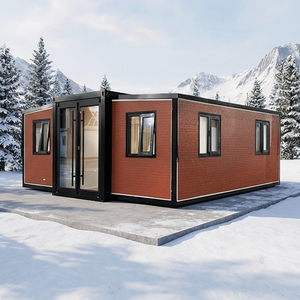
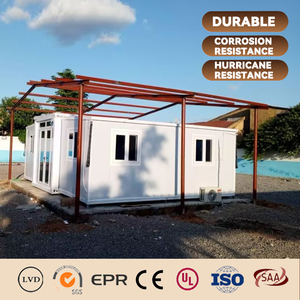
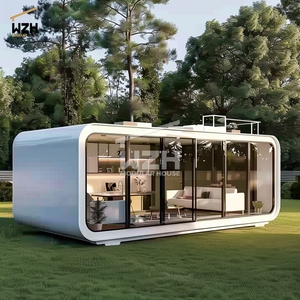
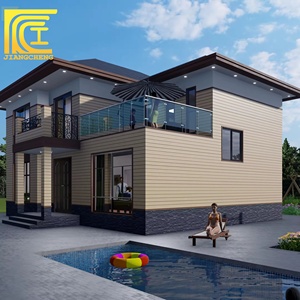
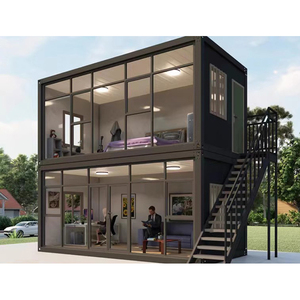
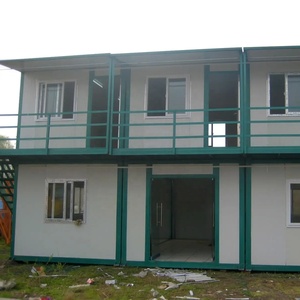
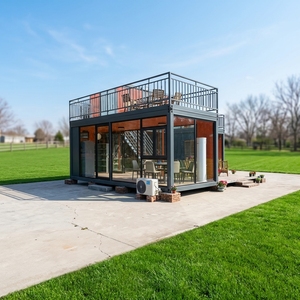
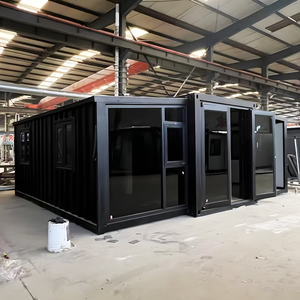
Selecting an enterprise-level manufacturer for prefabricated medical facilities requires deep evaluation of technical execution capabilities. Premier Chinese exporters leverage heavy industrial infrastructure, fully integrated supply chains, and stringent international certification standards. Unlike standardized commercial prefabricated containers, medical-grade modular pods demand absolute control over thermal insulation, structural integrity, bio-decontamination, and electromagnetic interference shielding for sensitive radiology equipment.
Integrated HEPA (H14 grade) filtration systems maintaining ISO Class 7/8 air purity with multi-stage pressure differentials (+15Pa to -30Pa) preventing cross-contamination in bio-hazardous wards.
Heavy Q355B cold-formed structural steel frame design using Design for Manufacture and Assembly (DfMA) methodology, optimized for high structural rigidity and rapid multi-story stacking.
Comprehensive operational oversight under ISO 9001 (Quality Control), ISO 14001 (Environmental Systems), and ISO 50001 (Energy Efficiency Management) guaranteeing long-term building performance.
Chinese prefabricated medical suppliers adhere to strict international building codes. Below is an engineering baseline matrix standard for global healthcare exports:
| Engineering Criterion | Medical Prefabrication Standard Specification | Compliance Standard / Testing |
|---|---|---|
| Primary Frame Structure | Q355B Hot-Dip Galvanized Structural Steel Pod Frame | GB/T 1591, ASTM A572, EN 10025 |
| Fire Resistance Rating | Class A Non-Combustible Rockwool / Glasswool Insulation (100-150mm) | EN 13501-1, UL 263, BS 476 |
| Wall & Ceiling Panels | Antibacterial HPL Coating / Color-Coated Galvanized Steel Cleanroom Panel | ISO 22196 (Antibacterial), ISO 14644 |
| Radiology Shielding | Integrated Lead-Lined Drywall (1.5mm - 3.0mm Pb Equivalent) | IAEA Health Safety Standard, NCRP 147 |
| Medical Gas Piping | Degreased Seamless Copper Pipe System (O2, N2O, Vacuum, Compressed Air) | HTM 02-01, NFPA 99, ISO 7396-1 |
| Seismic & Wind Load | Seismic Resistance: Zone 8+; Wind Speed Resilience: 180 km/h (Category 4 Hurricane) | ASCE 7-16, Eurocode 8 |
As governments, health ministries, and private hospital networks seek resilient asset strategies, the procurement framework for prefabricated clinics is evolving rapidly. Key trends shaping procurement from Chinese exporters include:
Next-generation clinics integrate rooftop solar PV arrays, lithium energy storage systems (BESS), and atmospheric water generators, enabling 100% operational autonomy in disaster zones or remote rural regions.
Prefab clinics are now embedded with smart sensors monitoring room pressure differential, air exchange rates, humidity, and energy consumption in real-time, feeding directly into cloud-based hospital maintenance systems.
Institutional investors demand high ESG compliance. Volumetric steel clinics provide 95% recyclable structural components and 100% demountability, allowing modular units to be relocated without demolition waste.
The engineering of prefabricated healthcare facilities has moved beyond simple structural framing into advanced material science and digital twin manufacturing. Today's market leaders in China utilize advanced manufacturing technologies to enhance hygiene, longevity, and operational efficiency:
When sourcing prefabricated medical clinics from China, buyers should utilize a structured Factory Audit & Quality Assurance framework. Ensure your prospective OEM/ODM supplier satisfies the following technical prerequisites:
Verify factory certification for ISO 9001 quality management, ISO 13485 medical device safety, and structural steel welding qualifications (such as EN 1090-2 or AWS D1.1).
Confirm the manufacturer conducts Factory Acceptance Testing (FAT) on HVAC pressure differentials, medical gas pressure retention, and electrical continuity prior to container packing.
Ensure the supplier provides complete installation engineering packages, BIM execution plans, and can deploy installation supervisors or remote AR guidance for local setup teams.
Ready to initiate your modular healthcare construction project or request a custom technical quotation?
