Discover latest news, architectural innovations, and expert perspectives on modular steel-frame construction across Europe.
Explore high-performance expandable, turnkey, and volumetric steel-frame dormitory configurations engineered for rapid deployment, structural durability, and energy efficiency.
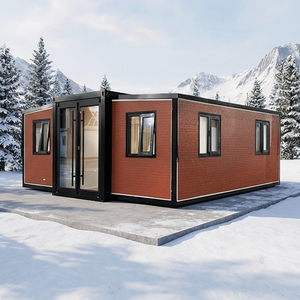
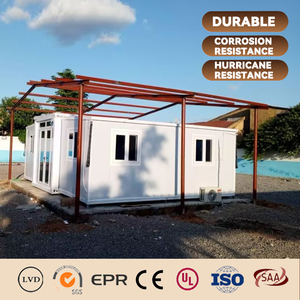
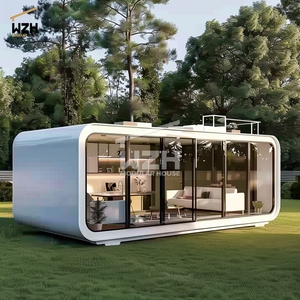
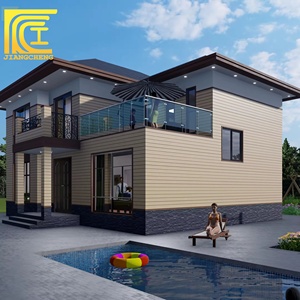
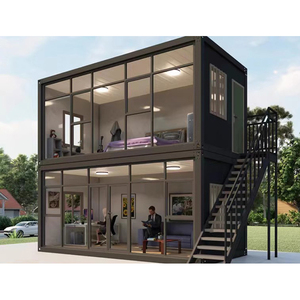
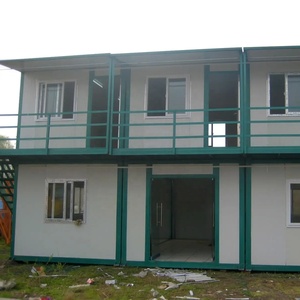
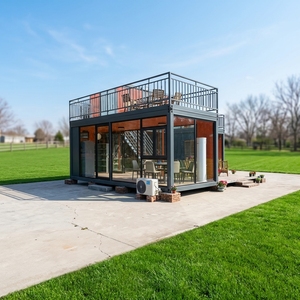
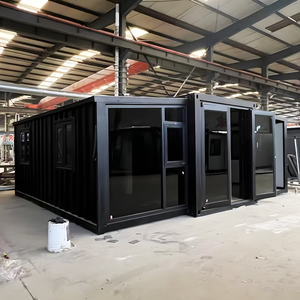
The global construction sector is undergoing a profound structural shift toward Modern Methods of Construction (MMC) and Volumetric Off-Site Fabrication. Driven by severe skilled labor shortages, rising material volatility, strict urban site constraints, and aggressive ESG (Environmental, Social, and Governance) targets, institutional investors, universities, mining conglomerates, and government bodies are moving away from traditional cast-in-place concrete methods.
Modular dormitory buildings represent the pinnacle of industrial efficiency. By shifting up to 90% of the building process into factory-controlled environments, developers can run site preparation, foundation engineering, and utility trenching concurrently with module fabrication. This parallel processing workflow slashes capital allocation cycles, delivers predictable financial outcomes, and mitigates overall project delivery risk.
Factory manufacturing proceeds simultaneously with earthworks and foundation pouring, reducing overall project timelines by 30% to 50%.
Automated CNC steel framing and strict factory ISO auditing ensure dimensional tolerances within ±1.5mm, eliminating standard field rework.
Fixed factory pricing protects developers against inflation, adverse weather delays, material waste, and localized labor rate spikes.
When selecting a manufacturing partner for multi-story student housing, workforce camps, or institutional residential projects, buyers must evaluate structural engineering depth, production capacity, global certification alignment (CE, IBC, AS/NZS), and export logistics experience.
The following evaluation matrix highlights key engineering specifications, structural capabilities, and ideal application profiles among market-leading off-site volumetric manufacturers:
| Manufacturer Tier | Structural Core System | Thermal / Acoustic Rating | Global Code Compliance | Primary Export Markets |
|---|---|---|---|---|
| DMD Modular & Global Partners | Heavy Gauge Structural Steel (Volumetric) | U-Value ≤ 0.15 W/m²K / Rw ≥ 54 dB | EN 1090-1, ISO 9001/14001, CE, IBC | European Union, UK, North America |
| Asia-Pacific Heavy Modular Group | Welded Corten Steel Container Chassis | R-25 Continuous PIR Insulation | AS/NZS 1170, ISO 9001, CSA A277 | Australia, Oceania, Southeast Asia |
| Euro-Standard Volumetric Specialists | Cold-Formed Light Gauge Steel (LGS) | U-Value ≤ 0.18 W/m²K / Rw ≥ 50 dB | Eurocodes 1-9, BBA Certified | UK, Scandinavia, Central Europe |
| North American Industrial Camps Exporters | Hybrid Steel Frame & Composite Panels | R-30+ Arctic Envelope Pack | IBC 2024, HUD Code, NFPA 101 | USA, Canada, Mining Regions |
| Middle East & Africa Rapid Shelter Units | Flat-Pack Modular Bolted Frames | Polyurethane Sandwich Panel (50-100mm) | GCC Building Code, ISO 9001 | Middle East, Africa, LATAM |
Key differentiators between tier-one exporters lie in their Design for Manufacture and Assembly (DfMA) maturity. Modern volumetric factories pre-install up to 95% of internal MEP (Mechanical, Electrical, and Plumbing) infrastructure, complete with factory-tiled ensuite bathrooms, pre-wired distribution panels, integrated HVAC ducting, and factory-fitted furniture.
Building high-density, multi-story modular dormitories requires comprehensive structural integrity and strict operational governance. Industry leaders utilize fully integrated 3D BIM (Building Information Modeling) workflows linked directly to factory automated roll-forming and CNC machining lines.
Certified under ISO 9001 (Quality Management), ISO 14001 (Environmental Management), and ISO 50001 (Energy Management) to guarantee consistent performance across large production volumes.
Backed by institutional investment capital (including funding partners such as FORUM TFI S.A.), providing financial stability, project bonding, and capacity for multi-thousand unit dormitory orders.
Inter-module double-wall structures create an acoustic barrier achieving Rw + Ctr ≥ 55 dB, alongside factory-certified REI 60 / REI 120 fire barrier assemblies.
Modules engineered specifically for standard 40ft High Cube sea container dimensions or specialized breakbulk shipping, dramatically lowering cross-border freight costs.
As institutional procurement transitions into the next decade, several key technological and regulatory trends are reshaping the volumetric building landscape:
Modern modular dormitories are engineered for full lifecycle sustainability. Advanced factories are integrating embodied carbon tracking directly into BIM models. By utilizing recycled structural steel, low-VOC interior finishes, solar micro-grid hookups, and rainwater harvesting modules, factory-built dormitories easily attain LEED Gold / BREEAM Excellent ratings.
Generative design tools allow engineers to optimize room layouts for maximum material efficiency and thermal retention. Structural configurations can be automatically calculated to comply with local seismic zone forces (up to Seismic Zone 4) and wind load pressures exceeding 250 km/h.
Modules leave the factory fully outfitted with IoT sensors, smart access controls, automated HVAC throttling, and occupancy sensors. This enables facility managers to track operational energy consumption per room in real time, cutting annual operational expenses (OPEX) by up to 35%.
Evaluating off-site modular construction requires looking beyond upfront factory unit quotes. Institutional buyers must evaluate the complete project financial structure across all development phases:
While factory module costs are comparable to traditional materials, substantial cost savings originate from compressed site prelims, shorter crane rental windows, reduced financing interest, and near-zero material waste disposal fees.
By bringing a 500-bed student housing facility or workforce accommodation online 12 months earlier, operators capture an entire extra academic year or operational phase of rental revenue.
Precision factory building envelopes reduce air leakage rates (below 1.5 ACH50), dramatically reducing annual heating and cooling energy expenses over a 50-year structural lifespan.
Key technical and procurement insights for architects, developers, and project managers considering modular dormitory solutions:
Work directly with leading modular engineering specialists to receive custom structural layouts, financial estimation modeling, and complete technical specifications tailored to your target site location.
Send an Inquiry