Discover latest news, architectural innovations, and expert perspectives on modular steel-frame construction across Europe.
High-precision prefabricated volumetric modules manufactured to ISO 9001/14001/50001 international standards for global deployment.
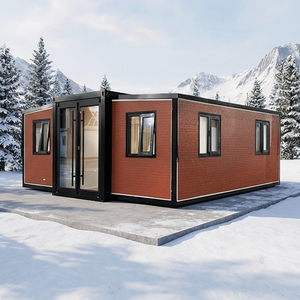
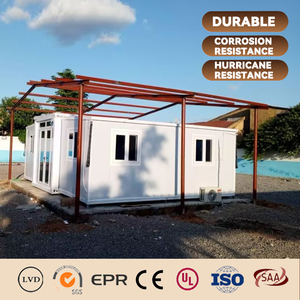
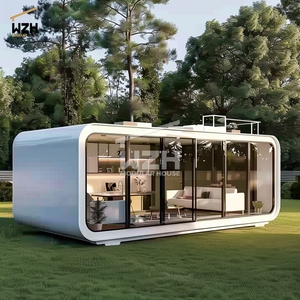
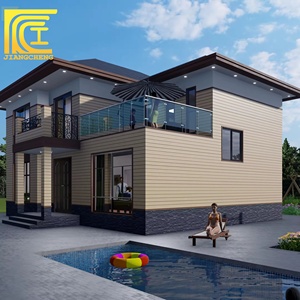
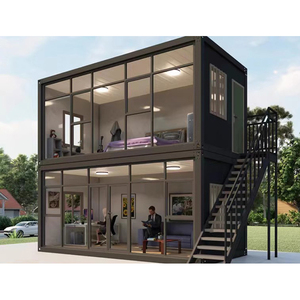
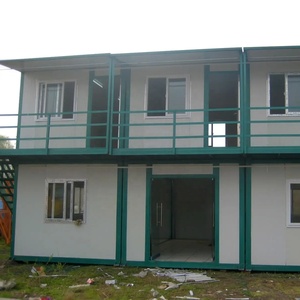
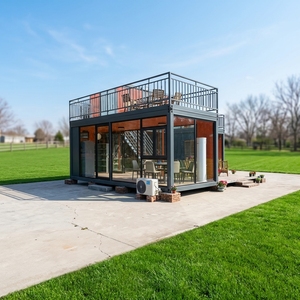
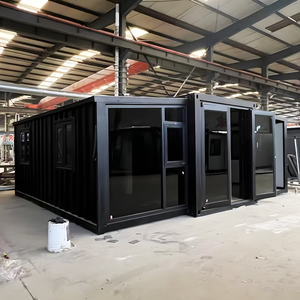
The global construction industry is undergoing a structural transition from traditional, weather-dependent on-site build methodologies toward industrial offsite manufacturing. As an established OEM/ODM Volumetric Offsite Construction Supplier, our engineering framework integrates Advanced Manufacturing Methods (MMC Category 1) with Design for Manufacture and Assembly (DfMA) principles to address systemic market challenges including skilled labor shortages, material waste, extended cycle times, and budget volatility.
Volumetric modular construction involves the offsite fabrication of fully finished, three-dimensional structural units within controlled factory environments. Unlike panelized offsite systems (2D), volumetric modules arrive at the site complete with structural frames, external cladding, internal partitions, MEP (Mechanical, Electrical, Plumbing) risers, and high-specification architectural finishes. This enables parallel-track project execution: site earthworks and foundation engineering occur simultaneously with factory module fabrication.
| Performance Metric | Conventional On-Site Construction | Volumetric Modular Engineering (OEM/ODM) | Information Gain Impact |
|---|---|---|---|
| Project Schedule Variance | High delay risk (weather, labor friction) | Fixed timeline (parallel factory production) | 30% to 50% faster commissioning |
| Cost Predictability | 10% to 25% average budget overruns | Guaranteed fixed contract price via DfMA | Elimination of change orders |
| Quality Control & Tolerances | Variable (+/- 15mm manual tolerances) | Millimetric precision (+/- 1.5mm factory tolerance) | ISO-certified structural integrity |
| Construction Waste Generation | High site waste (up to 15% material loss) | Controlled factory recycling (<2% waste) | BREEAM & LEED compliance advantage |
| Acoustic & Thermal Isolation | Single wall layer acoustic bridging | Double-chassis structural gap (Rw + Ctr > 55dB) | Superior occupant soundproofing & U-values |
Anchored by institutional investment partners including FORUM TFI S.A.—the largest investment fund manager in Central and Eastern Europe—we guarantee bankability, bonding capacity, and financial risk mitigation for large-scale multi-million dollar developments.
Our in-house design team utilizes Building Information Modeling (BIM) combined with DfMA methodologies to translate complex architectural concepts into machine-readable digital twins, optimizing structural steel framing, MEP routing, and logistical transport profiles.
We operate under fully audited quality management standards, holding ISO 9001 (Quality Management), ISO 14001 (Environmental Protection), and ISO 50001 (Energy Efficiency). Every volumetric module undergoes systematic pressure testing, acoustic verification, and factory inspection before dispatch.

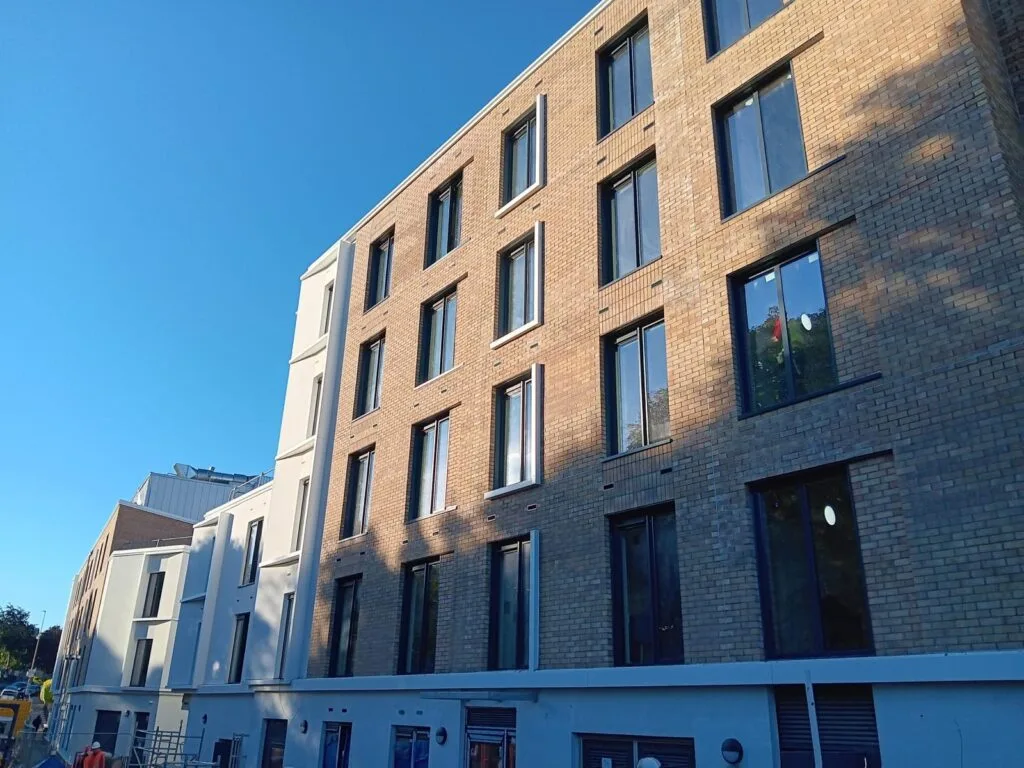
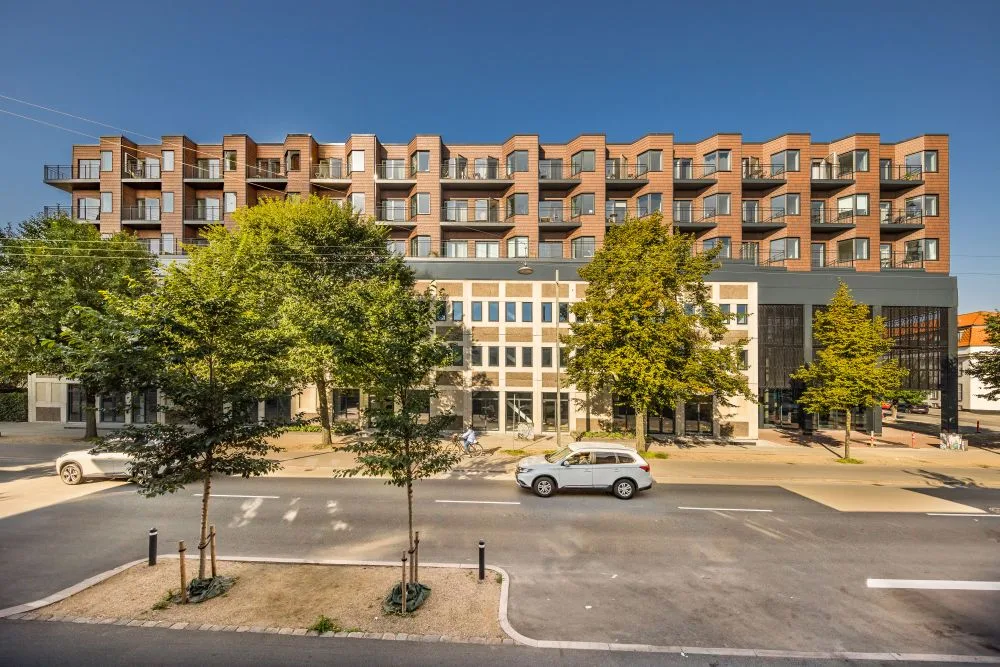

As real estate institutional buyers, REITs, and municipal housing authorities adapt to stringent Net-Zero carbon mandates, the procurement criteria for volumetric offsite suppliers have shifted from simple capital expenditure (CapEx) unit pricing to life-cycle value analysis (OpEx + ESG impact). Developers sourcing from an OEM/ODM Volumetric Offsite Construction Supplier must evaluate five fundamental industry trends shaping the next decade of offsite manufacturing:
European regulatory frameworks (such as the EU Taxonomy for Sustainable Activities and the UK's Future Homes Standard) demand significant reductions in upfront embodied carbon. Structural steel volumetric systems are adopting high-recycled-content cold-formed steel profiles combined with bio-based insulation materials (rockwool and wood fiber), cutting upfront embodied carbon emissions by 35% compared to reinforced cast-in-place concrete structures.
Modern OEM/ODM offsite manufacturing embeds IoT sensor grids (temperature, humidity, occupancy, structural strain) directly within module ceiling voids and wall assemblies during factory production. Upon site crane installation and utility tie-in, the physical modular asset immediately interfaces with the owner's Digital Twin facility management software, streamlining long-term asset maintenance.
To overcome transportation envelope constraints on highways, leading offsite suppliers are deploying hybrid construction systems. Highly serviced rooms (kitchens, bathrooms, MEP cores) are manufactured as fully volumetric 3D modules, while low-service open spaces (living rooms, conference spaces) utilize 2D panelized slab and wall systems, maximizing logistics efficiency without sacrificing finish quality.
Future-proof assets require adaptability. Modern volumetric modules are designed with demountable structural connections. At the end of a building’s operational lifecycle, modules can be unbolted, crane-lifted, transported, and reconfigured for alternative site developments—transforming real estate from fixed spatial assets into liquid, mobile infrastructure capital.
Comprehensive answers for developers, structural engineers, and general contractors evaluating volumetric offsite modular delivery.
Volumetric structural integrity is achieved using heavy-gauge cold-formed steel or structural steel corner-post frames certified under European EN 1090-2 standards. Modules act as self-supporting structural chassis stacked sequentially on concrete podiums or foundations. High-strength inter-module bolting plates transfer lateral wind loads and seismic shear forces throughout the continuous structural matrix, enabling building heights exceeding 20 stories.
In an OEM (Original Equipment Manufacturer) model, the client provides fully developed architectural and structural engineering plans, and our factory manufactures the volumetric modules precisely to those specifications. In an ODM (Original Design Manufacturer) model, our engineering team takes the client's concept, site parameters, and bed-count requirements, performing complete DfMA design, structural engineering, MEP coordination, factory fabrication, and logistical delivery.
Volumetric construction inherently provides double-wall and double-floor insulation layers because adjacent modules maintain independent structural frames separated by air gaps. We install elastomeric structural isolation pads between inter-module load points and dense acoustic rockwool in ceiling voids, achieving airborne sound reduction indices (Rw + Ctr) exceeding 55 to 60 dB, easily surpassing strict hotel and residential building regulations.
Standard volumetric modules are engineered around global logistics dimensions: typical widths range from 3.0m to 4.2m, lengths from 6.0m to 14.0m, and heights up to 3.4m to fit under motorway bridges without requiring police escorts. For overseas delivery (UK, Iceland, Netherlands), modules are engineered with ISO container corner castings to allow transport on container vessels or Ro-Ro ferries.
Our steel-frame volumetric building systems carry comprehensive European technical assessments (ETA) and certification under frameworks such as BOPAS (Buildoffsite Property Assurance Scheme). This guarantees structural durability of 60+ years, allowing institutional lenders, banks, and warranty providers (such as NHBC or Premier Guarantee) to fund and insure projects under standard commercial terms.
While modules are being fabricated in our ISO-certified factory, on-site general contractors perform ground works, deep/shallow foundation pouring, structural concrete podium erection (for ground-floor retail or parking), and main utility trenching (water, electricity, sewage). Once foundations cure, crane installation of modules proceeds at a rate of 6 to 12 modules per day.
From 200-bed student accommodation blocks in Scotland to luxury boutique hotels in Germany and high-density residential housing across Northern Europe—partner with an industry leader backed by institutional capital, DfMA expertise, and ISO-certified manufacturing precision.
