Discover latest news, architectural innovations, and expert perspectives on modular steel-frame construction across Europe.
Pre-engineered volumetric steel modules designed for immediate deployment, rapid terminal expansion, and customized passenger processing handling.
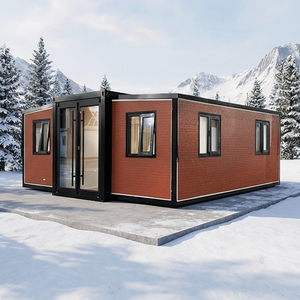
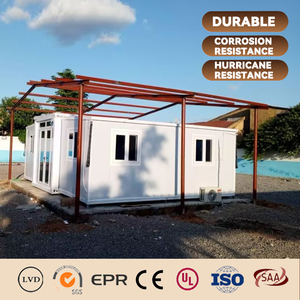
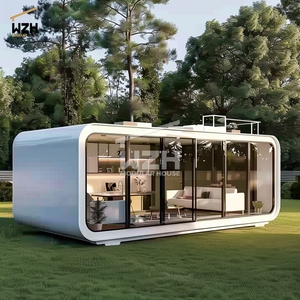
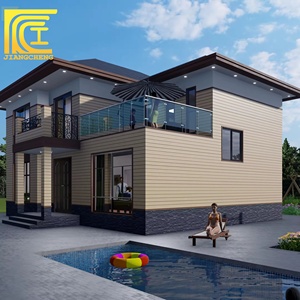
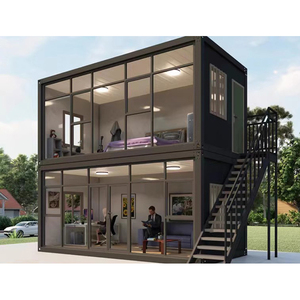
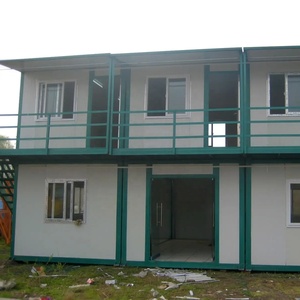
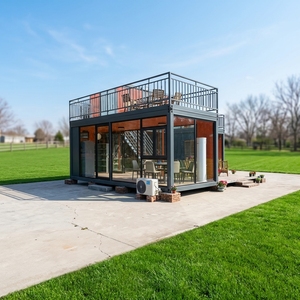
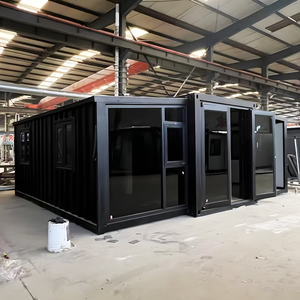
Modern civil aviation authorities, municipal airport operators, and private defense contractors face an urgent dual challenge: surging passenger volume demands immediate terminal capacity expansion, while traditional in-situ civil engineering introduces unacceptable runway operational disruptions, compounding budgetary overruns, and severe weather-induced delays. As a premier Custom OEM Modular Airport Terminals Manufacturer & Supplier, our engineering organization addresses this dilemma through high-precision, off-site volumetric steel construction principles.
By leveraging Design for Manufacture and Assembly (DfMA) methodologies, complex airport infrastructure—encompassing check-in halls, security screening channels, baggage handling facilities, departure lounges, and administrative headquarters—is transformed into standardized yet fully customizable volumetric modules fabricated entirely within controlled factory environments. This manufacturing methodology decoupling ground foundation work from building envelope manufacturing yields structural delivery acceleration up to 50% faster than conventional cast-in-place concrete or traditional structural steel erection.
"Off-site volumetric modular manufacturing eliminates up to 80% of on-site airside traffic and heavy machinery footprint, drastically lowering FOD (Foreign Object Debris) risks and maintaining total security protocol integrity for operational airports."
Our heavy-gauge steel frame modular buildings comply strictly with ICAO Annex 14 standards and the IATA Airport Development Reference Manual (ADRM). From structural blast resilience and seismic isolation to STC-55 acoustic dampening against jet engine roar, our volumetric units deliver the permanent structural life expectancy (>50 years) of traditional construction with unmatched financial predictability.
Combining centralized European engineering heritage with institutional financial backing to execute complex aviation infrastructure projects globally.
Our structural engineers construct full digital twins using 3D Building Information Modeling (BIM Level 3). Every structural beam, HVAC duct penetration, and cable tray is pre-engineered, eliminating spatial collisions prior to factory fabrication.
Operated under strict international quality controls including ISO 9001 (Quality Management), ISO 14001 (Environmental Management), and ISO 50001 (Energy Management), guaranteeing zero material compromise across large-scale orders.
Backed by institutional investment leadership (including shareholders such as FORUM TFI S.A., one of CEE's prominent investment funds), we provide bankable financial solvency for multi-million dollar regional airport tenders.
Comprehensive technical benchmarks for our custom volumetric airport terminal infrastructure.
| Performance Standard | OEM Specification Benchmark | Operational Aviation Benefit |
|---|---|---|
| Structural Load Bearing | Cold-formed high-strength structural steel frame (EN 1090-2 Execution Class EXC3) | Multi-story stacking flexibility (Up to G+5) without secondary exterior bracing frameworks. |
| Acoustic Isolation Rating | STC 55 - 62 / Rw 58dB (Multi-layer rockwool insulation + acoustic decoupled gypboard) | Complete noise attenuation against jet engine noise (turbofan idling/takeoff) in passenger lounges. |
| Fire Resistance Class | REI 60 to REI 120 fire barrier rating (EN 13501-1 Class A1 non-combustible material core) | Full compliance with international terminal life safety and emergency evacuation protocols. |
| Thermal Envelope Efficiency | U-value down to 0.12 W/m²K (Polyisocyanurate / Rockwool composite panel thermal break) | Drastic reduction in HVAC energy operational expenses in extreme desert or arctic airfield climates. |
| Seismic & Wind Resilience | Zone 4 Seismic Resistance; Wind Load rating up to Category 5 Typhoon (300 km/h) | Structural survival capability in high-risk tropical island airports and earthquake zones. |
| Internal Processing Integration | Pre-routed conduits for CUSS (Self-Service Check-In), BHS systems, and Smart Security Gates | Plug-and-play installation of airport IT and automated biometric screening infrastructure. |
As global passenger traffic rebounds beyond historical peaks and regional aviation connectivity expands rapidly across emerging markets, airport procurement models are undergoing a fundamental transformation. Project procurement directors are abandoning slow, high-risk conventional site builds in favor of modular off-site engineering. Below are four key trends shaping the future of airport terminal procurement:
Airports experience sharp seasonal peaks. Fixed concrete terminals lead to over-capitalization or severe operational bottlenecks. Modern procurement favors scalable volumetric terminal modules that can be connected laterally or vertically within weeks to expand gate capacity, and subsequently reconfigured or relocated when traffic flows shift.
Under ICAO's LTAG (Long-Term Aspirational Goal), airports must achieve Net-Zero carbon operations by 2050. Factory-manufactured steel volumetric modules reduce embodied carbon by up to 35% through raw material optimization, zero factory material waste, and full recyclability at the end of the building's lifecycle.
Next-generation terminals require deep technology integration—such as automated passport control (APC) e-gates, CT luggage scanners, and automated baggage drop points. OEM modular terminal manufacturers now build precision ceiling tracks, floor conduit raceways, and server rooms directly into factory-finished modules.
Geopolitical shifts, natural disasters, or rapid regional air corridor openings require operational air facilities within months, not years. Prefabricated modular terminals serve as rapid-deployment international processing hubs capable of becoming operational within 60 to 90 days from contract execution.
Why leading airport authorities and EPC contractors are shifting capital expenditures to volumetric factory builds.
| Evaluation Parameter | Off-Site Volumetric Modular Terminals | Traditional On-Site Civil Construction |
|---|---|---|
| On-Site Construction Schedule | 50% Shorter: Groundworks & Module Build occur in parallel. | Sequential Process: Site clearing, foundation pouring, steel framing, envelope sealing. |
| Budget & Cost Predictability | Fixed Contract Cost: Pre-engineered DfMA prevents financial overruns. | Frequent 15–30% budget overruns due to weather delays and subcontractor friction. |
| Airside Disruption & Security Risk | Minimal Disruption: 80% fewer workers on active airfield site. | High Risk: Massive labor workforce, dust, heavy crane activity near active taxiways. |
| Quality Control Integrity | ISO-Factory Controlled: Zero exposure of insulation to rain/elements. | Variable Quality: Subject to ambient humidity, rain, freezing temperatures, labor skill gaps. |
| Future Adaptability & Expansion | High Flexibility: Modular units easily added, demounted, or relocated. | Permanent Rigid Layout: Demolition required for physical terminal expansion. |
From architectural DfMA translation to international shipping logistics and final airside hookup.
Architectural layout conversion into 3D structural steel CAD/CAM manufacturing drawings with total MEP integration.
Automated steel frame welding, wall envelope assembly, interior fit-outs, and MEP rough-ins in climate-controlled plants.
Heavy-duty protective shrink-wrapping and multimodal intermodal shipping (Sea/Rail/Road) directly to airport foundation pads.
Precision crane placement, inter-module structural bolting, utility connection, and final commissioning within days.
Technical clarity on building compliance, structural integration, and international project execution.
Our custom volumetric airport terminals are engineered to comply strictly with ICAO Annex 14, IATA ADRM, and localized National Aviation Authority (e.g., FAA, EASA, UK CAA) building regulations. Structural designs incorporate blast-resistant steel framing options, non-combustible Class A1 interior surfaces, certified acoustic decoupling for high-decibel environments, and dedicated pre-routed conduits for standardized security screening systems (CCTV, access control, X-ray scanners, and biometric gates).
Yes. While structural frames benefit from standard off-site steel fabrication efficiencies, external facades and interior finishes are 100% customisable. We support a wide spectrum of exterior rainscreen claddings (including aluminum composite panels, curtain glass walls, architectural timber, and insulated steel cassettes). Interior spaces can be fitted out to meet luxury executive FBO specifications or high-traffic commercial passenger terminal standards.
Through advanced DfMA (Design for Manufacture and Assembly) and BIM Level 3 modeling, all main MEP infrastructure—including main HVAC trunking, sprinkler networks, electrical cable trays, and baggage conveyor interfaces—is pre-installed into individual volumetric pods during factory assembly. Once set on foundations on-site, modules feature quick-connect inter-pod utility bridges for rapid commissioning.
Our heavy-gauge steel frame modular terminals are designed as permanent infrastructure assets with a structural design life matching or exceeding 50 to 100 years. Utilizing hot-dip galvanized or high-performance anti-corrosion coated steel sections, these structures withstand harsh marine saline air, extreme desert thermal fluctuations, and arctic frost heave conditions.
Traditional construction inside operational airfield perimeters introduces extreme security risks, Foreign Object Debris (FOD) hazards to jet engines, and airside ground traffic congestion. Modular construction shifts up to 80-90% of total labor hours away from the airport site to our off-site manufacturing plant. On-site activity is condensed to rapid foundation preparation and crane assembly, keeping active runway operations 100% safe and unhindered.
Modules are engineered to match standard ISO intermodal shipping containers (20ft, 40ft, 45ft High Cube formats) or specialized wide-load transport dimensions depending on client preference and destination port capabilities. We coordinate complete global shipping, customs clearance, and heavy-lift transport directly to remote island sites, regional airfields, or major international hubs.
Partner with an industry-leading OEM modular terminal manufacturer. Contact our engineering consultancy team today to request architectural BIM models, technical whitepapers, and comprehensive project budgeting.
