Discover latest news, architectural innovations, and expert perspectives on modular steel-frame construction across Europe.
Explore our industrial-grade, volumetric, and expandable container housing units manufactured in state-of-the-art Chinese production centers. Designed for high-density Purpose-Built Student Accommodation (PBSA), rapid emergency housing, and institutional real estate developments.
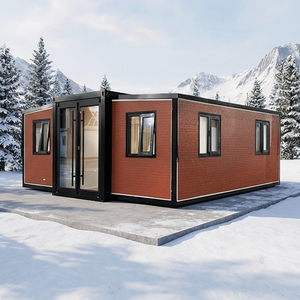
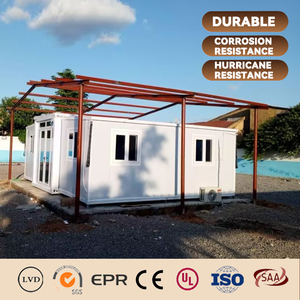
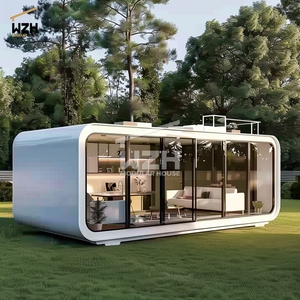
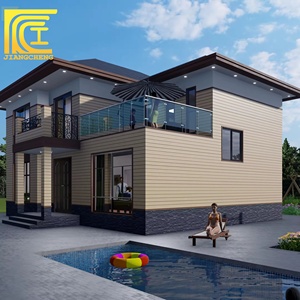
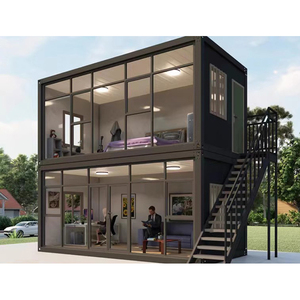
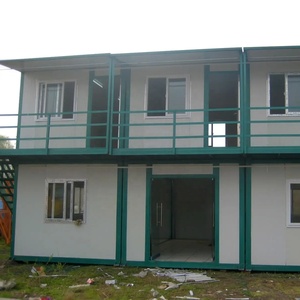
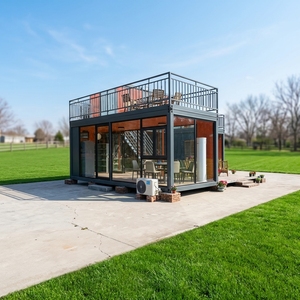
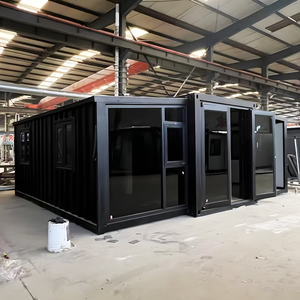
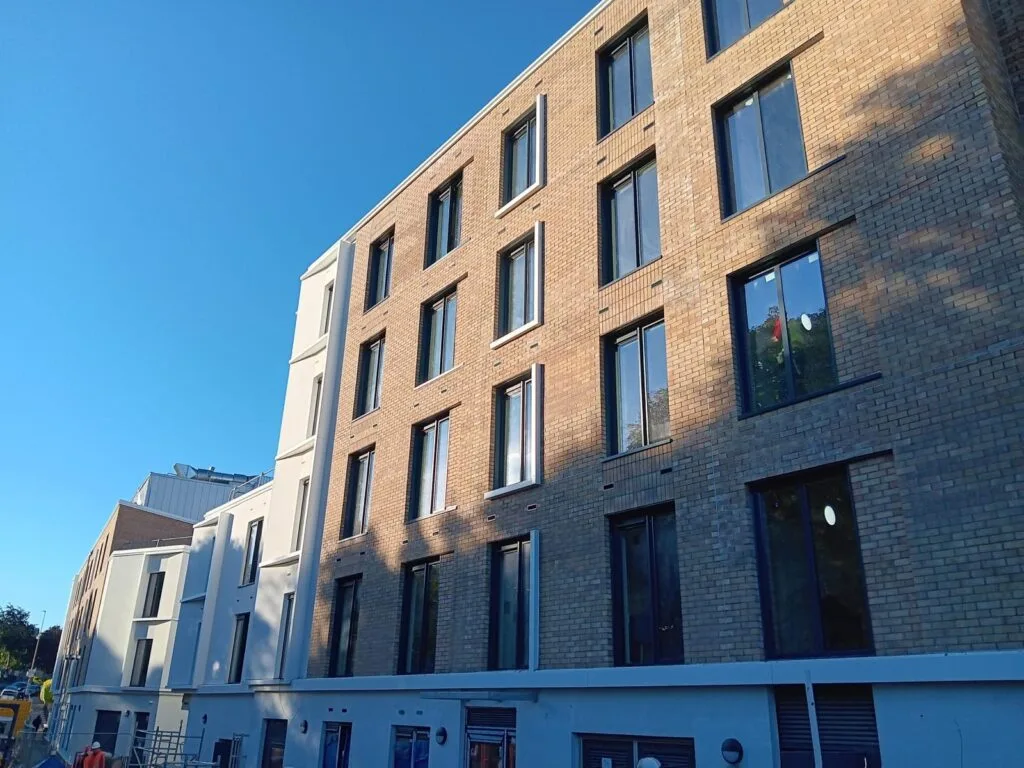
The global Purpose-Built Student Accommodation (PBSA) sector is facing an unprecedented structural squeeze. University enrollments continue to climb across major metropolitan centers in Europe, North America, and Australia, while traditional construction methodologies are hampered by escalating labor costs, severe trade shortages, unpredictable material inflation, and stringent urban environmental restrictions.
In response to these systemic market bottlenecks, institutional real estate funds, university housing boards, and primary EPC contractors are shifting their supply chain strategies toward volumetric modular housing manufactured in China. Off-site prefabrication transfers up to 95% of the building process from the unpredictable field environment into a controlled, automated factory environment.
Traditional construction is plagued by cost overruns. Chinese volumetric OEMs fix steel, insulation, MEP, and interior fit-out pricing early in the DfMA stage, protecting developers from fluctuating on-site contractor claims.
Industrial module production generates 80% less on-site construction waste and reduces heavy-vehicle neighborhood traffic by 60%. Factory insulation controls ensure compliance with Net-Zero and LEED Gold standards.
Standardized room layouts allow robotic welding, automated panel lamination, and systematic factory acceptance testing (FAT) for all plumbing, electrical circuit, and acoustic barrier integrations.
As institutional capital flows into mass-scale student housing developments, procurement methodologies are evolving rapidly. Procurement managers are no longer buying raw building materials; they are procuring pre-engineered structural assets manufactured as scalable industrial products.
The upcoming decade will see deep digital integration between Western architectural firms and Chinese manufacturing plants through BIM (Building Information Modeling) Level 3 workflows. By optimizing structural steel frames for automated roll-forming machines and container shipping profiles during the schematic phase, procurement teams eliminate engineering redesign fees and minimize shipping volume surcharges.
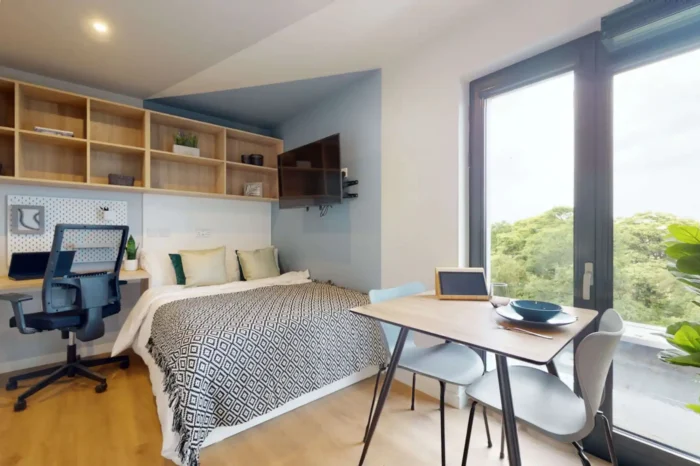
Future procurement mandates require fully fitted-out micro-apartments. Units shipped from Chinese factories now feature complete pre-installed bathroom pods, integrated HVAC ducting, smart electronic lock systems, custom millwork furniture, and pre-wired fiber-optic conduits. On-site installation is reduced to basic structural bolting and vertical utility stack connections.
Modular student housing modules are increasingly specified with renewable energy capabilities. Integrated rooftop solar arrays, kinetic energy recovery, low-flow greywater filtration pods, and smart IoT environmental sensors are pre-wired directly into the chassis during factory assembly, maximizing long-term operational efficiency for dormitory operators.
Procuring modular housing at scale requires partnering with verified, high-capacity Chinese manufacturing hubs that maintain international certification, structural engineering rigor, and robust financial backing.
| Evaluation Parameter | Traditional On-Site Build | China Wholesale Modular Manufacturing |
|---|---|---|
| Construction Schedule | 18 – 24 Months (Weather-dependent) | 6 – 9 Months (Parallel Site & Factory Prep) |
| Acoustic Isolation | Variable (Dependent on tradespeople) | Certified Rw 52dB+ Double-Wall Air Gap |
| Quality Control | Random on-site manual inspection | Factory ISO 9001 QA/QC & FAT Protocols |
| Cost Overrun Risk | High (15% – 30% average budget creep) | Fixed Lump-Sum Off-Site OEM Contract |
| On-Site Waste | Significant site debris and disposal fees | Up to 80% Reduction in On-Site Waste |
| Structural Lifespan | 50+ Years | 50+ Years (Structural Q355B Steel Chassis) |
Student housing facilities present unique operational challenges, requiring exceptionally high soundproofing performance, durable surface treatments, and fire compartmentation to handle intense occupancy use.
Student sleep quality and study conditions require stringent acoustic barriers between adjacent units and hallways. Leading Chinese modular factories utilize double-stud wall configurations with a continuous acoustic air gap between stacked volumetric modules. Combined with high-density rockwool core panels (100kg/m³) and resilient acoustic ceiling channels, inter-room sound transmission achieves airborne isolation index Rw + Ctr ≥ 53 dB and impact insulation L'nW ≤ 48 dB, comfortably exceeding international building codes.
Multi-story student housing projects require strict adherence to international structural fire codes (such as EN 13501-1 Class A1/A2, BS 476, or NFPA 220). Volumetric chassis frames are fabricated using structural steel coated with intumescent fire-retardant paint, providing 60 to 120 minutes of structural fire resistance. Non-combustible calcium silicate boards, rockwool cores, and automated fire damper assemblies in HVAC ducts ensure isolated compartmentation for every student bedroom pod.
Address key technical, logistical, and commercial inquiries regarding importing high-volume modular student housing from Chinese manufacturers.
Tier-1 Chinese modular manufacturers employ specialized international engineering teams familiar with Eurocodes, the UK Building Regulations (including BS 5950 and BS EN 1993 for steel structures), Australian NCC/BCA standards, and North American IBC/IRC codes. All structural calculations, connection details, thermal insulation U-values, and MEP schematics are verified by third-party licensed professional engineers (PE/CPEng) in the destination country prior to factory fabrication.
Modular units are engineered using two primary shipping formats: standard ISO 40ft High Cube container dimensions for flat-pack/expandable units, or specialized break-bulk shipment / SOC (Shipper Owned Container) sea transport for wider volumetric modules. Volumetric pods are sealed in heavy-duty shrink-wrap plastic with desiccants, protecting internal factory-finished interiors from maritime humidity and salt corrosion during ocean transit.
Modules are lifted into position using high-capacity mobile or tower cranes and attached using high-strength structural corner casting bolts, twist-lock mechanisms, or heavy structural steel tie-plates. Vertical utility shafts (water supply, drainage, electrical risers, and data lines) line up precisely across stacked units, allowing fast trade connections inside dedicated service corridors.
Prior to factory dispatch, manufacturers execute rigorous Factory Acceptance Testing (FAT). This includes 100% hydrostatic pressure testing of all plumbing lines, high-voltage insulation electrical circuit checks, water tightness spray tests on external envelopes, dynamic load testing on structural chassis, and visual aesthetic inspections for all millwork and interior fixtures. Buyers or their third-party inspection agents (such as SGS or TÜV) are invited to conduct final sign-off on site at the factory.
Standard institutional MOQs typically start at 10 to 20 units for custom architectural designs, while standard expandable models have no minimum limits. High-capacity Chinese manufacturing plants feature automated production lines capable of manufacturing over 500 to 1,000 volumetric modules per month, easily supporting multi-thousand bed university housing developments within tight academic delivery windows.
Yes. Off-grid or hybrid solar power systems, rooftop photovoltaic mounting brackets, micro-inverters, smart keycard access locks, climate-control thermostats, and IoT energy management sensors can all be pre-wired and integrated into the modular structure during factory assembly, reducing on-site specialized trade labor.
Partner directly with China's premier modular student housing manufacturers. Leverage off-site volumetric engineering to secure fixed costs, certified building quality, and rapid project commissioning.
